








What's Happening?
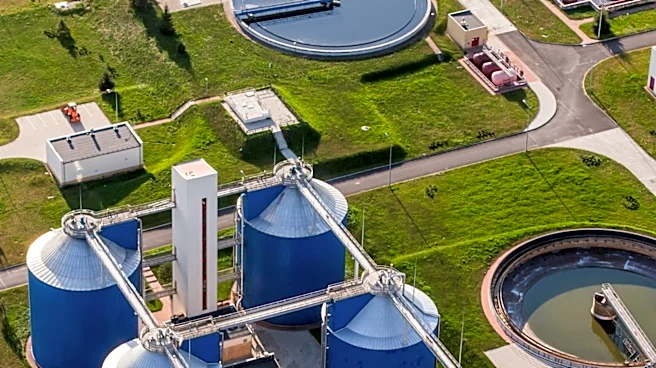
Michigantown, Indiana, has officially commenced a significant wastewater utility improvement project. This initiative involves comprehensive upgrades to the town's wastewater infrastructure, extending from its underwater sanitary sewer network to its treatment
facilities. A key component of the project is the rehabilitation of sanitary sewer lines and manholes, which is expected to enhance the reliability and operational performance of the system, ultimately improving public health. State Representative Heath VanNatter emphasized that these upgrades are crucial for attracting new development and businesses to Michigantown, thereby expanding opportunities for growth. The project has secured over $5.3 million in state and federal grant and loan funding, highlighting a collaborative effort to support rural community development.
Why It's Important?
This wastewater utility improvement project in Michigantown is critically important for the town's economic development and public health. By upgrading its aging infrastructure, Michigantown is addressing a fundamental requirement for attracting new businesses and residents. Reliable and efficient wastewater systems are essential for supporting increased population density and industrial activity, making the town more appealing for investment. State Representative Heath VanNatter's comments underscore the direct link between infrastructure improvements and economic growth, as a modern sewage system can remove a significant barrier to development. The substantial state and federal funding secured for this project also highlights a broader commitment to supporting rural communities in the U.S., ensuring they have the necessary resources to thrive. This investment can prevent environmental contamination, improve public health outcomes, and create a more sustainable foundation for Michigantown's future, benefiting current and future residents and businesses.
What's Next?
Construction on Michigantown's wastewater utility improvement project is scheduled to begin in the fall. While a specific timeline for completion has not yet been announced, the project will involve extensive work on the town's sanitary sewer network and treatment facilities. State Representative Heath VanNatter and other leaders anticipate that the upgraded infrastructure will immediately impact the town's ability to attract new development and businesses. The president of Michigantown, Carrie Russell, hopes the project will inspire other towns to address their own infrastructure challenges by learning from Michigantown's proactive approach. The successful completion of this project is expected to pave the way for increased economic activity and population growth, necessitating ongoing planning for future community needs. The collaboration between local, state, and federal entities in securing funding suggests a continued partnership in monitoring the project's progress and ensuring its long-term benefits.
Beyond the Headlines
The Michigantown wastewater project, while seemingly a local infrastructure initiative, reflects a broader national challenge and opportunity concerning aging infrastructure in rural America. Many small towns across the U.S. grapple with outdated utility systems that hinder economic growth and pose public health risks. This project's success, particularly in securing significant state and federal funding, could serve as a model for other rural communities seeking to revitalize their infrastructure. It underscores the critical role of government investment in foundational services to unlock economic potential and improve quality of life. Beyond the immediate benefits, such projects can foster community resilience, attract a younger demographic, and reverse trends of rural decline. However, it also highlights the ongoing need for sustained funding and strategic planning to maintain and upgrade infrastructure nationwide, ensuring that all communities, regardless of size, have access to modern and reliable public services. The emphasis on local leadership and community engagement in this project also points to the importance of grassroots efforts in driving essential development.