



What's Happening?
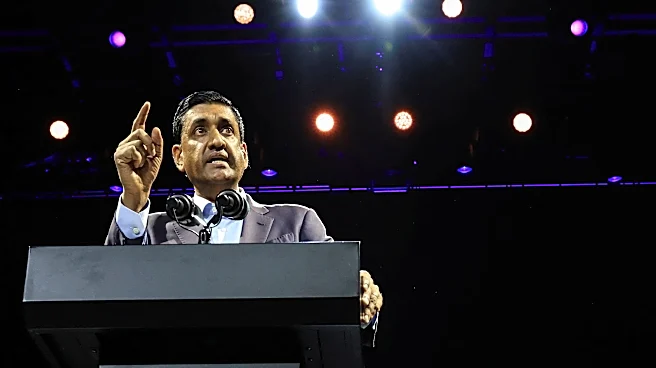
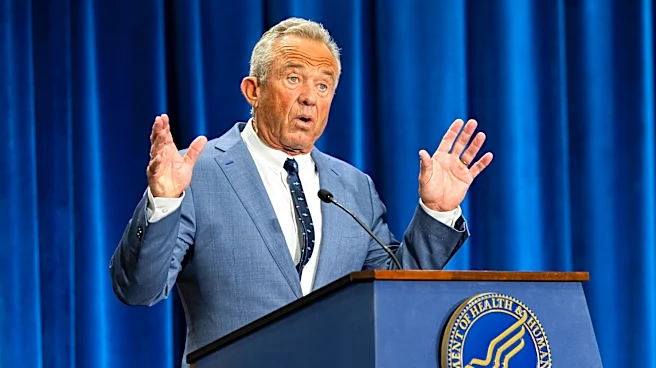
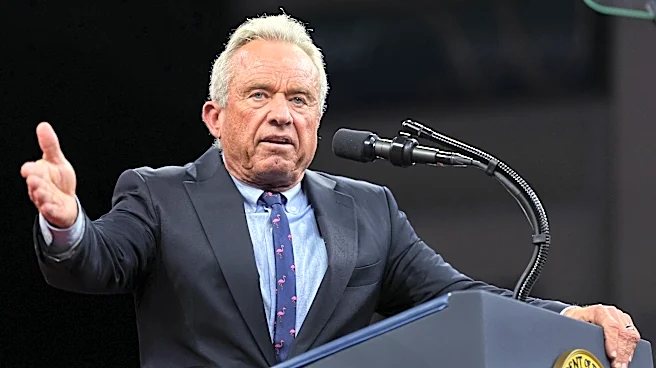
Senator-elect Abdul El-Sayed, a Democrat from Michigan, has publicly appealed to President Trump and Health and Human Services Secretary Robert F. Kennedy Jr. for bipartisan cooperation on health policy. Speaking at a Bloomberg Government breakfast event,
El-Sayed expressed his desire to work with President Trump to implement a streamlined Medicare system that would eliminate deductibles and co-pays for insurers. El-Sayed highlighted the fractured consensus in healthcare and stated, 'We could have the greatest healthcare system in the world. Trump, we can do it.' He has joined over a dozen senators advocating for the passage of Senator Bernie Sanders’ (I-Vt.) Medicare for All Act, which proposes a national health insurance program administered by HHS. While open to meeting with Secretary Kennedy, El-Sayed also voiced concerns that Kennedy's office has been 'misused to do things that are inconsistent with the public,' citing clashes over vaccine experts and childhood vaccine schedules.
Why It's Important?
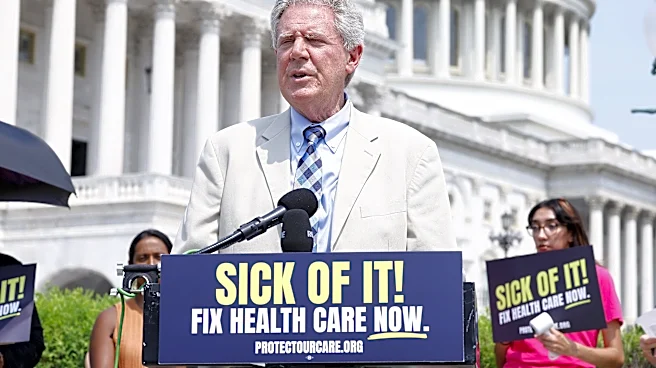
Senator-elect El-Sayed's appeal for bipartisan collaboration on healthcare is significant given the highly polarized political landscape in the U.S. Healthcare reform, particularly the debate around Medicare for All, remains a contentious issue with profound implications for millions of Americans, the healthcare industry, and the national economy. A streamlined Medicare system without deductibles or co-pays, as proposed, would drastically alter the current healthcare financing model, potentially expanding access to care but also raising questions about costs and implementation. His direct appeal to President Trump and Secretary Kennedy signals a potential willingness from some Democrats to seek common ground, even with an administration often at odds with their party's health policy goals. However, El-Sayed's criticism of Secretary Kennedy also highlights deep divisions within health policy, particularly concerning vaccine science and public health approaches, which could complicate any collaborative efforts.
What's Next?
The immediate next steps are uncertain, as it remains to be seen whether President Trump or Secretary Kennedy will respond to Senator-elect El-Sayed's overtures for collaboration. Given the current political climate, significant bipartisan agreement on a comprehensive healthcare overhaul like Medicare for All is challenging. However, El-Sayed's public appeal could open avenues for discussions on specific aspects of healthcare reform where common ground might be found. The fate of the Medicare for All Act in the next Congress is also unclear, despite increased Democratic support, as key figures like Senator Ron Wyden (D-Ore.) have not committed to debating it. El-Sayed's concerns about Secretary Kennedy's actions suggest that any collaboration would likely be fraught with tension, particularly on issues related to public health and vaccine policy. The ongoing debate will continue to shape legislative priorities and public discourse around healthcare in the U.S.
Beyond the Headlines
Senator-elect El-Sayed's call for bipartisan healthcare collaboration, while potentially aspirational, underscores a deeper societal yearning for solutions to the U.S. healthcare crisis that transcend partisan divides. His vision of a streamlined Medicare system without out-of-pocket costs speaks to fundamental ethical questions about healthcare as a right versus a commodity, and the role of government in ensuring universal access. The tension between his call for collaboration and his critique of Secretary Kennedy's actions on vaccines highlights the complex interplay between political will, scientific consensus, and public trust in health policy. This situation could prompt broader discussions about the feasibility of radical healthcare reform in a divided nation, the impact of political appointments on public health, and the potential for new political alignments to emerge around shared policy goals, even amidst ideological differences. Ultimately, it reflects the ongoing struggle to balance individual liberty with collective well-being in the American healthcare system.