




What's Happening?
Researchers have uncovered the biochemical capabilities of fungi from the Hypocreales group, which could revolutionize crop protection. By analyzing 82 fungal species, scientists identified over 5,000 gene clusters responsible for producing natural compounds,
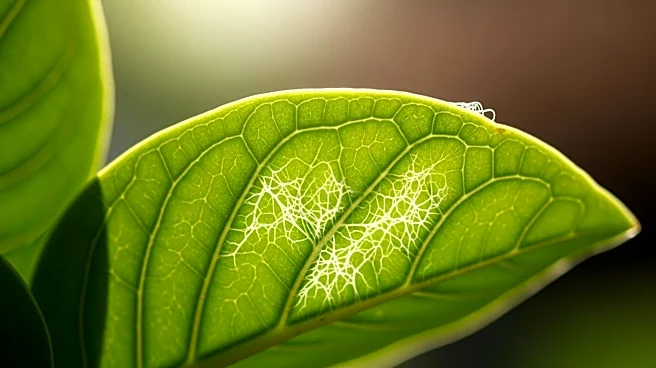
with nearly 80% being previously unknown. These fungi form symbiotic relationships with plants, offering natural pest control by producing insecticidal and fungicidal compounds. The study, published in Nature Chemical Biology, highlights the potential of these fungi to reduce reliance on synthetic pesticides, which are known to harm beneficial species and contribute to pest resistance.
Why It's Important?
The discovery of these fungi's capabilities is significant for sustainable agriculture. Current reliance on synthetic pesticides poses environmental risks, including harm to non-target species and the development of pest resistance. By harnessing the natural pest control properties of Hypocreales fungi, agriculture could reduce its environmental footprint and enhance food security. This approach could lead to the development of new biopesticides, offering a greener alternative to traditional chemical pesticides and potentially reducing crop losses caused by pests.
What's Next?
Future research will likely focus on developing commercial applications of these fungal compounds for agriculture. Scientists may explore the synthesis of these compounds to create effective biopesticides. Additionally, there could be efforts to understand the ecological impacts of introducing these fungi into various agricultural systems. Stakeholders in the agricultural industry, including policymakers and farmers, may need to consider regulatory frameworks and adoption strategies for these new biocontrol methods.