



What's Happening?
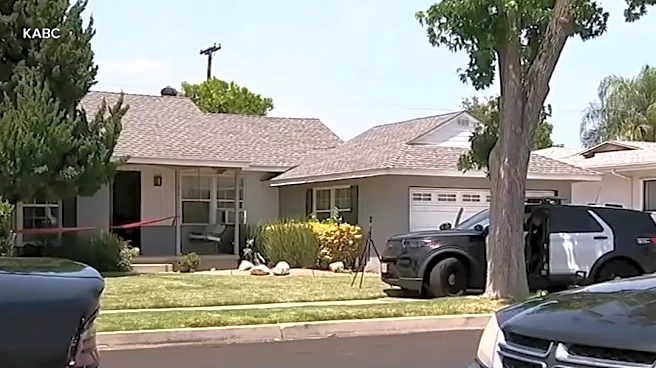
The trial of Jonathan Rinderknecht, accused of starting the Palisades fire, the most destructive wildfire in Los Angeles history, has commenced. Rinderknecht, an occasional Uber driver, allegedly ignited the Lachman fire on New Year’s Day 2025, which
later reignited and became the deadly Palisades blaze, killing 12 people. The trial will determine if Rinderknecht is responsible for the fire's escalation. The case has drawn significant attention, with allegations of fire department negligence and questions about the adequacy of their response. Rinderknecht faces multiple felony charges and could be sentenced to 5 to 45 years in prison if convicted.
Why It's Important?
This trial is significant as it addresses accountability in wildfire incidents, particularly in urban areas prone to such disasters. The outcome could influence future legal standards for individuals accused of starting fires, especially under conditions that exacerbate fire spread. The case also highlights the challenges faced by fire departments in managing and containing wildfires, raising questions about resource allocation and procedural effectiveness. The trial's findings may lead to policy changes in fire management and prevention strategies, impacting how urban areas prepare for and respond to wildfires.
What's Next?
As the trial progresses, the defense plans to argue that Rinderknecht is being scapegoated and that the fire department's actions contributed to the fire's spread. The court will examine evidence, including witness statements and fire dynamics analysis, to determine Rinderknecht's culpability. The trial's outcome could lead to appeals and further legal scrutiny of fire management practices. Additionally, the case may prompt legislative reviews of fire prevention and response protocols, potentially leading to reforms aimed at reducing the risk of similar incidents in the future.