


What's Happening?
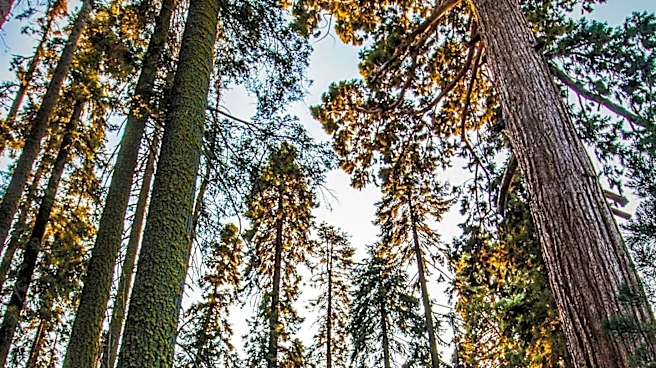
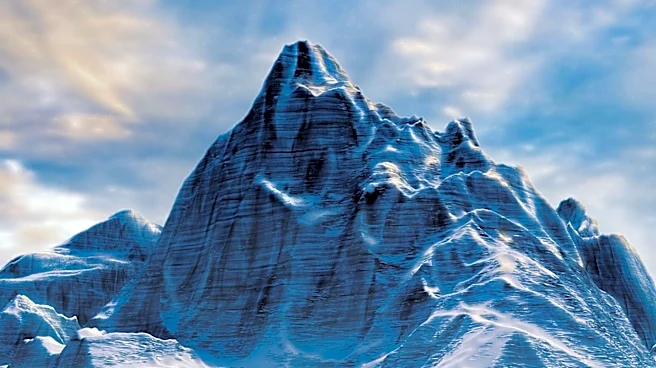
Great Basin National Park, located in Nevada, offers a remote escape with its vast landscapes, including colossal peaks and subterranean caves. The park is known for its isolation, being over 100 miles from the nearest interstate highway, and provides
a stark contrast to more crowded national parks like Zion. Visitors can enjoy trails such as the Baker Creek Trail, which offers a mix of natural beauty and solitude. The park's chief of interpretation, Travis Mason-Bushman, highlights its unique ecosystems and the opportunity for visitors to experience unspoiled nature. Despite its low visitor numbers compared to other national parks, Great Basin is celebrated for its pristine wilderness and dark, starry nights.
Why It's Important?
Great Basin National Park's significance lies in its preservation of natural beauty and biodiversity, offering a sanctuary for those seeking solitude and a connection with nature. The park's low visitor numbers help maintain its pristine condition, providing a unique experience compared to more popular parks. This isolation is increasingly valued in a world where natural spaces are often crowded. The park's diverse ecosystems support a range of flora and fauna, contributing to conservation efforts. Additionally, the park's remote location and dark skies make it an ideal spot for stargazing, attracting astronomy enthusiasts and boosting local tourism.
What's Next?
As Great Basin National Park approaches its 40th anniversary, efforts to increase awareness and visitation may be on the horizon. The park's management could explore strategies to attract more visitors while maintaining its commitment to conservation and solitude. This might involve promoting the park's unique features, such as its dark skies and diverse ecosystems, through targeted marketing campaigns. Additionally, collaborations with local businesses and communities could enhance visitor experiences and support the regional economy. The park's management will need to balance these efforts with the need to preserve its natural beauty and tranquility.
Beyond the Headlines
The park's isolation and low visitor numbers raise questions about sustainable tourism and the role of national parks in conservation. As more people seek out remote natural experiences, Great Basin could serve as a model for balancing visitor access with environmental preservation. The park's management may need to address challenges related to infrastructure and resource management to accommodate potential increases in visitation. Furthermore, the park's role in educating the public about conservation and the importance of preserving natural spaces could become increasingly significant as environmental concerns grow.