






What's Happening?
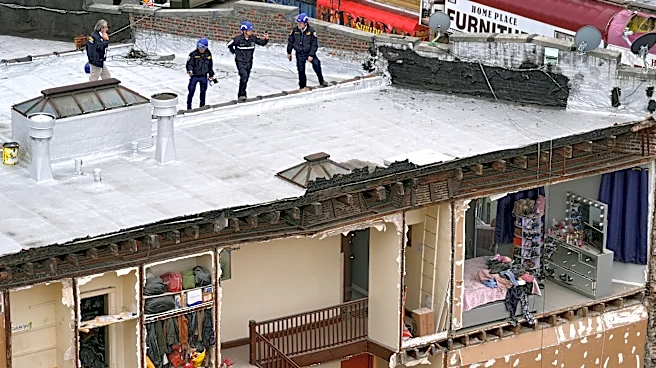
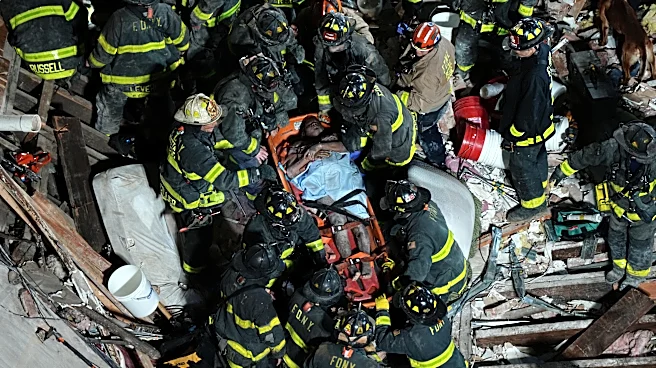
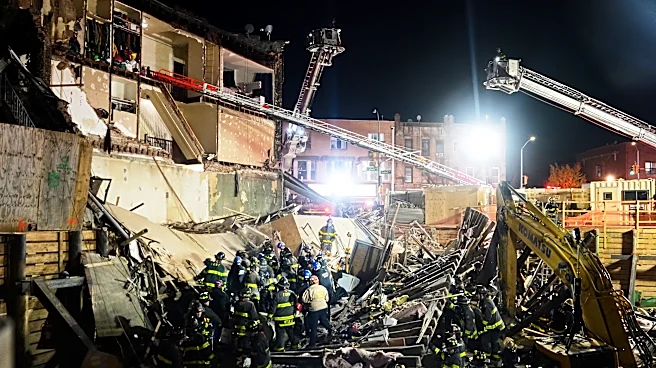
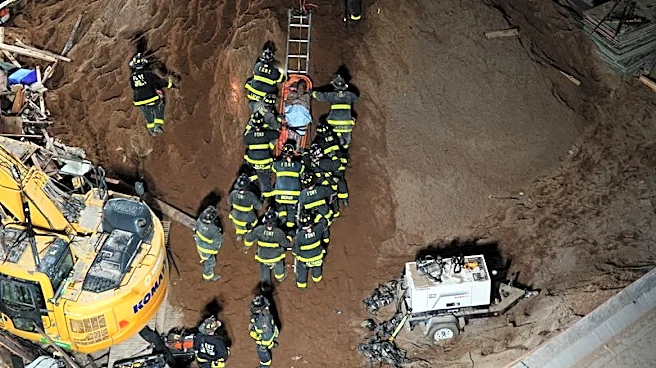
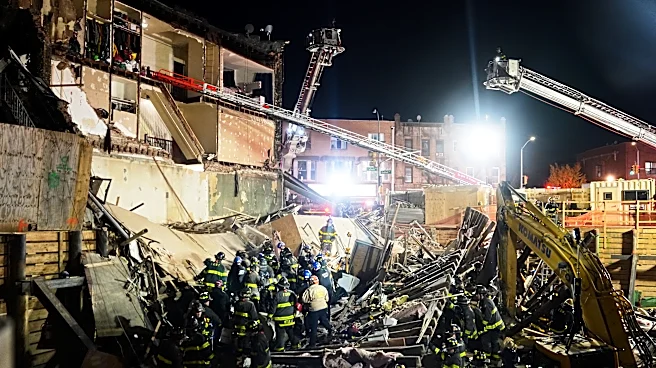
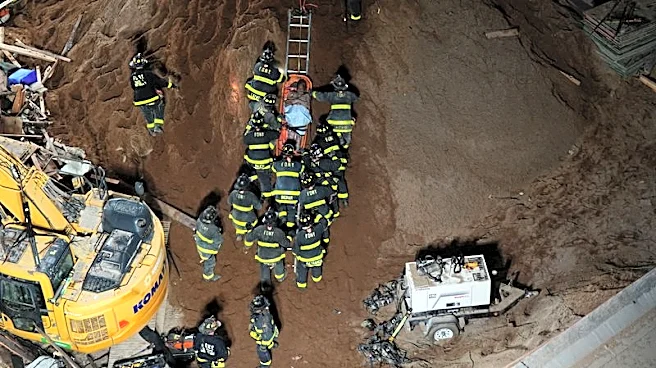
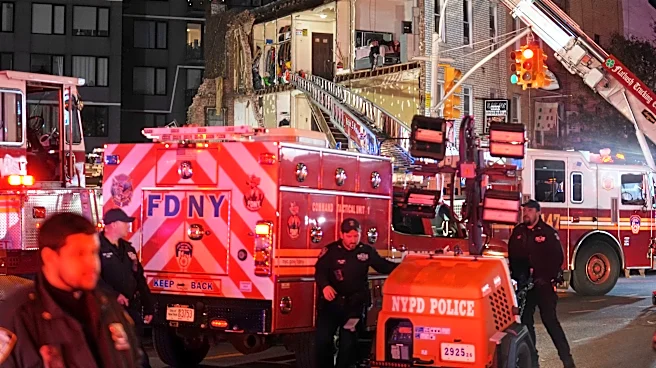
A building collapse in Brooklyn, New York, has intensified anger and accusations of gentrification within the local Black community. The incident occurred in Flatbush, a predominantly Black neighborhood, where a three-story building fell into an adjacent
excavation site. Residents, including Winston Bowen, a local businessman, attribute the collapse to developers cutting corners in their pursuit of profit, leading to unsafe construction practices. Many residents express a belief that new housing projects are being built too rapidly and without sufficient structural integrity. This event has brought to the forefront long-standing grievances about rising rents and the displacement of Black residents, who feel they are being pushed out of their neighborhoods by unaffordable new developments. The community views the collapse as a direct consequence of developers prioritizing financial gains over safety and community well-being, exacerbating existing tensions around housing affordability and demographic shifts in the area.
Why It's Important?
This incident highlights the severe social and economic impacts of rapid urban development and gentrification on established communities in New York City. The accusations of developers cutting corners underscore potential systemic issues in construction oversight and accountability, particularly in areas undergoing significant redevelopment. For lower-income and minority communities, the collapse symbolizes a broader struggle against displacement and the erosion of community identity. The event could prompt increased scrutiny from city officials regarding construction safety regulations and the ethical responsibilities of developers. It also brings to light the racial dimensions of gentrification, as residents feel targeted and marginalized by development patterns that favor wealthier newcomers. The incident may galvanize community activism and calls for more equitable housing policies and stricter enforcement of building codes to protect existing residents.
What's Next?
Investigations into the cause of the building collapse are underway, which will likely determine if negligence or regulatory failures contributed to the incident. This could lead to legal actions against the property owners and construction companies involved, potentially resulting in fines, penalties, or even criminal charges. The community's outcry may pressure city authorities to review and potentially strengthen building codes and inspection processes, especially for new developments in rapidly gentrifying areas. There could also be increased advocacy for tenant protection laws and affordable housing initiatives to mitigate the displacement of long-term residents. The incident may also fuel broader discussions about urban planning strategies in New York, focusing on how to balance development needs with the preservation of existing communities and ensuring equitable access to housing.
Beyond the Headlines
The building collapse in Brooklyn transcends a mere construction accident, revealing deeper societal fissures related to urban development, economic inequality, and racial justice. It exposes the ethical dilemmas faced by cities grappling with housing demand versus community preservation. The perception among residents that developers 'care about their bottom line and that's it' points to a crisis of trust between communities and the forces driving urban change. This event could serve as a catalyst for re-evaluating the social contract between developers, city planners, and residents, pushing for models of development that prioritize community well-being and safety over pure profit. The emotional and psychological toll on displaced communities, often feeling 'ethnically cleansed,' underscores the need for policies that address not just housing affordability but also the cultural and historical ties residents have to their neighborhoods.