







What's Happening?
Dr. Peter McCullough, Chief Scientific Officer at The Wellness Company, discussed the role of public health agencies in promoting vaccines through biosecurity measures on Real America’s Voice. He highlighted how these agencies, in coordination with mainstream
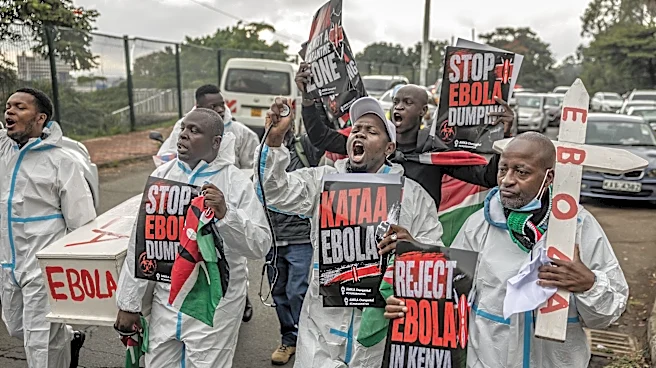
media, create a sense of fear around rare viruses like hantavirus and Ebola, which pose minimal risk to the general public. McCullough argued that this fear is used to prepare the market for future vaccines, suggesting that the pharmaceutical industry benefits from this strategy. He noted that while hantavirus and Ebola are serious diseases, they are not easily transmitted in community settings, and the focus on vaccines overlooks practical prevention measures. McCullough also mentioned ongoing research into hantavirus vaccines, which have not yet been approved in the U.S. or Europe.
Why It's Important?
The discussion raises questions about the ethics of using fear to drive vaccine demand, potentially prioritizing pharmaceutical interests over public health education. This approach could lead to public skepticism about vaccines and health advisories, impacting trust in health institutions. The emphasis on vaccines might overshadow other effective preventive measures, such as sanitation and antiviral treatments. The situation highlights the need for balanced public health messaging that informs without inciting unnecessary fear, ensuring that the public receives comprehensive information about health risks and prevention strategies.
What's Next?
As public health agencies continue to navigate the challenges of emerging diseases, there may be increased scrutiny on how they communicate risks and promote vaccines. Stakeholders, including policymakers and health organizations, might push for more transparency and accountability in public health messaging. The development and approval of new vaccines, particularly for rare diseases, will likely continue, but with a potential shift towards more holistic approaches that include education on preventive measures and treatments.
Beyond the Headlines
The broader implications of this strategy could affect global health policies, especially in how countries prepare for and respond to health threats. The focus on vaccine development as a primary solution may influence funding and research priorities, potentially sidelining other important areas of public health. This approach also raises ethical considerations about the role of fear in public health campaigns and the responsibility of health agencies to provide balanced information.