





What's Happening?
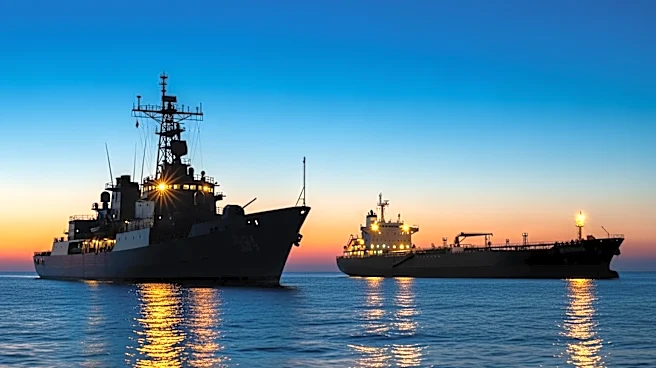
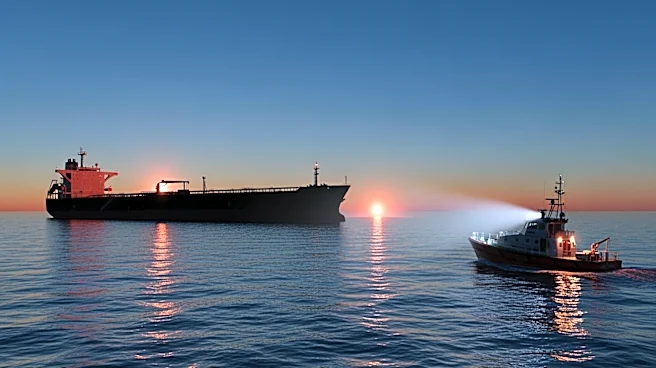
India has expressed strong protest following the death of three Indian sailors in a U.S. military strike on the Palau-flagged M/T Settebello oil tanker in the Gulf of Oman. The U.S. Central Command (CENTCOM) stated that the strike was part of enforcing
a naval blockade on Iranian ports, targeting vessels that allegedly violated the blockade. The Indian sailors, initially reported missing, were confirmed dead by India's shipping minister, Sarbananda Sonowal. The incident has sparked significant concern in India, with the External Affairs Ministry condemning the attacks on commercial shipping and civilian infrastructure. The U.S. has been enforcing this blockade since April 13, aiming to pressure the Iranian regime by restricting its maritime activities.
Why It's Important?
The incident highlights the escalating tensions in the Gulf region, particularly involving U.S. military actions and their impact on international relations. The deaths of Indian sailors have strained U.S.-India relations, prompting diplomatic protests from India. This situation underscores the broader geopolitical implications of the U.S. blockade on Iran, affecting global oil supply routes and international maritime security. The enforcement of the blockade has led to multiple confrontations, raising concerns about the safety of international shipping lanes and the potential for further escalation in the region.
What's Next?
India has summoned a senior U.S. diplomat to express its protest and is likely to seek further clarification and assurances regarding the safety of its nationals in the region. The U.S. may face increased diplomatic pressure to review its blockade strategy and ensure compliance with international maritime laws. The ongoing situation could lead to heightened diplomatic engagements between the U.S., India, and other affected nations, as well as potential adjustments in maritime security protocols to prevent further incidents.