







What's Happening?
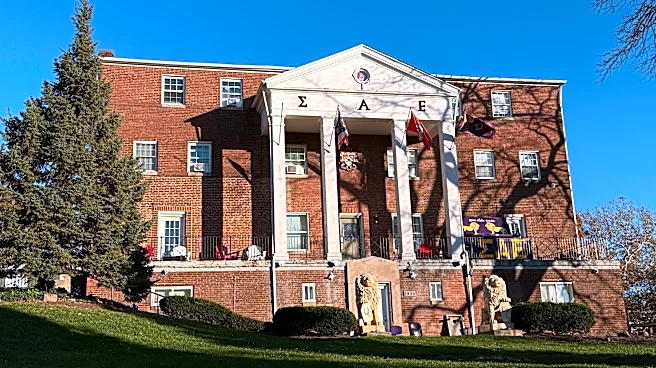
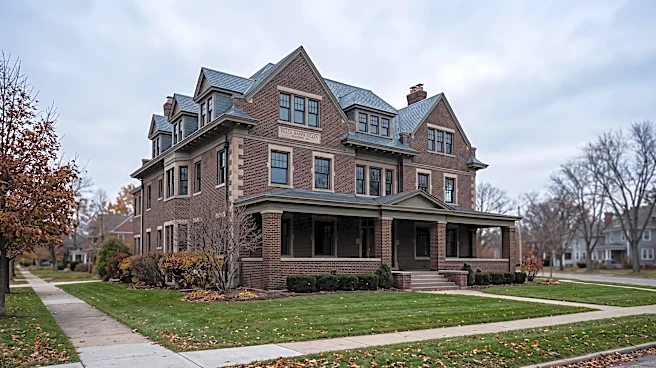
The Sigma Nu fraternity house at North Carolina State University is now vacant, days after the university and the national organization revoked the chapter's charter due to hazing allegations. Members were given until 4 p.m. Tuesday to move out, and by
Tuesday evening, the property was empty, with most students having departed before the deadline. Staff were observed removing items from the multimillion-dollar property, which includes 23 units and is valued at over $3 million, according to Wake County real estate records. The Sigma Nu Beta Tau Chapter Housing Corporation owns the house but leases the land from NC State University. A criminal investigation into the hazing allegations is ongoing, with the Wake County district attorney indicating that charges could be filed within the next 30 days, though none have been filed yet.
Why It's Important?
The closure of the Sigma Nu chapter and the ongoing criminal investigation into hazing allegations at NC State highlight a persistent issue within collegiate Greek life across the nation. This event underscores the serious consequences that universities and national organizations are increasingly imposing in response to such allegations, reflecting a growing intolerance for harmful practices. For NC State, it signifies a commitment to student safety and accountability, potentially influencing how other fraternities and student organizations operate on campus. The incident also brings to the forefront the legal ramifications of hazing, with potential criminal charges looming, which could serve as a deterrent for similar behaviors elsewhere. For the broader university community, it prompts discussions about campus culture, student welfare, and the effectiveness of current policies designed to prevent hazing.
What's Next?
The immediate future of the former Sigma Nu fraternity house property remains unclear, with Sigma Nu National confirming that the local chapter housing corporation and NC State University will determine its use. NC State is assisting affected students with alternative housing and dining options. The most significant next step involves the ongoing criminal investigation into the hazing allegations. The Wake County district attorney's office is continuing its work, and charges could be filed within the next 30 days. This legal process will determine accountability for the alleged hazing incidents. The outcome of the investigation and any subsequent legal actions will likely influence future policies and enforcement regarding student organizations at NC State and potentially other universities grappling with similar issues.
Beyond the Headlines
The shutdown of the Sigma Nu chapter at NC State extends beyond the immediate disciplinary actions and criminal investigation, touching upon deeper societal and cultural issues within collegiate environments. Hazing, often rooted in traditions and power dynamics, can have profound psychological and physical impacts on students, affecting their academic performance, mental health, and overall well-being. This incident prompts a broader examination of the culture within fraternities and sororities, questioning whether existing oversight mechanisms are sufficient and if a fundamental shift in peer leadership and accountability is needed. The long-term implications could include increased scrutiny of Greek life by universities, parents, and prospective students, potentially leading to more stringent regulations, enhanced educational programs on hazing prevention, and a re-evaluation of the role and value of such organizations on college campuses nationwide.