






What's Happening?
Ireland has concluded an investigation into its alumina exports to Russia, finding no evidence that these exports are supporting Russia's military efforts in Ukraine. The investigation was prompted by reports suggesting that Irish-made alumina was being
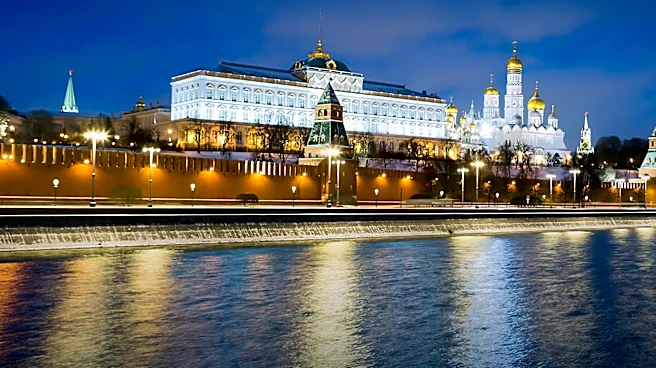
used by Russian smelters to produce aluminum for military purposes. The Irish government examined corporate data, trade flows, and information from Ukrainian and Swedish authorities but found no conclusive evidence linking the exports to Russian military contractors. Despite the findings, Ukrainian President Volodymyr Zelenskyy has called for measures to prevent alumina from reaching Russia, emphasizing the importance of sanctions and internal controls.
Why It's Important?
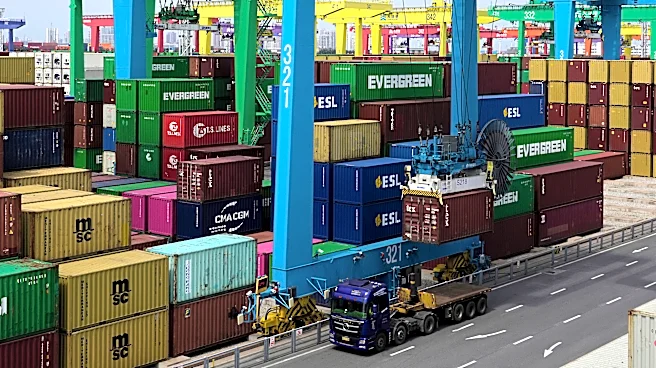
The investigation's findings are significant as they address concerns about Ireland's potential indirect involvement in supporting Russia's military activities. By concluding that there is no evidence of such involvement, Ireland aims to mitigate any reputational damage and maintain its standing within the European Union. The issue also highlights the complexities of international trade and the challenges of ensuring that exports do not inadvertently support military conflicts. The investigation's outcome may influence future EU sanctions and trade policies, particularly regarding exports to countries involved in conflicts.
What's Next?
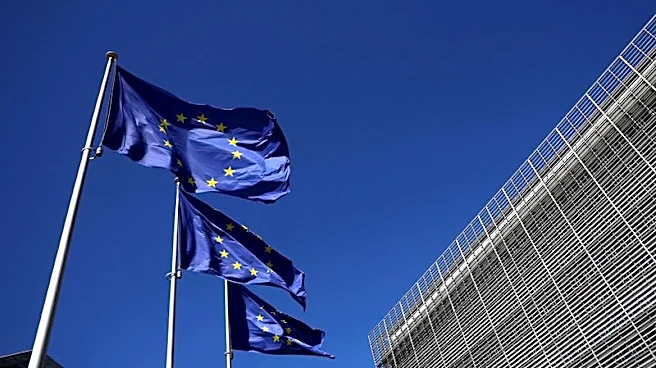
The European Commission will review the findings of Ireland's investigation to determine if further action is necessary. This could include discussions on whether to impose additional sanctions on alumina exports. Ireland, meanwhile, will continue to monitor its trade practices to ensure compliance with international regulations. The situation underscores the need for ongoing vigilance and cooperation among EU member states to prevent the misuse of exports in military conflicts. Stakeholders, including government officials and industry leaders, will likely engage in further dialogue to address any remaining concerns.