




What's Happening?
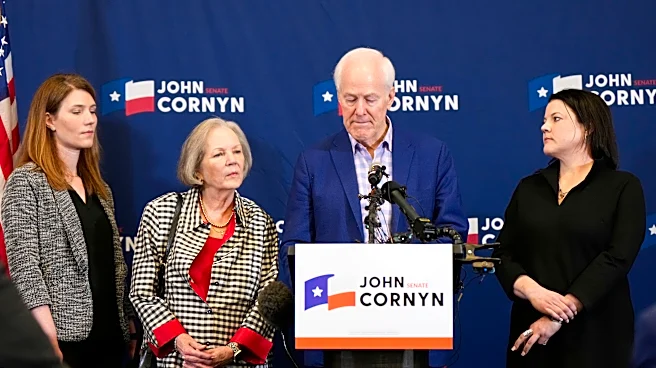
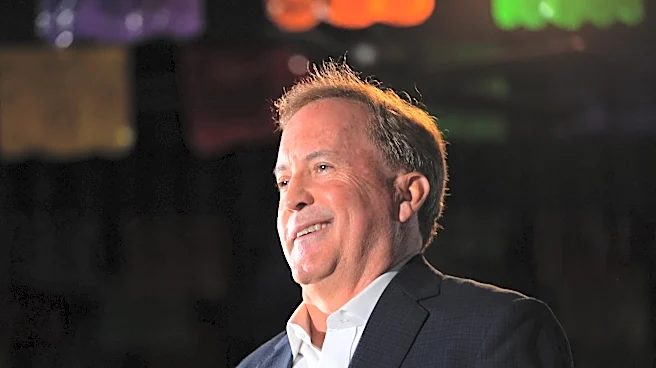
In the Texas Senate runoff between incumbent John Cornyn and Attorney General Ken Paxton, anti-Muslim rhetoric has become a central theme in campaign ads. Both candidates have accused each other of being too lenient on Islamic issues, with Paxton's allies
running ads claiming Cornyn supports 'Muslim mass immigration' and has a 'special place in his heart for radical Islam.' Cornyn has countered by highlighting his efforts against 'radical Islamic extremism' and his legislative attempts to curb the influence of Sharia Law in the U.S. This rhetoric has sparked concern among Texas Muslims, who feel targeted by the political discourse. The campaign's focus on Islam is seen as a strategy to appeal to the Republican base, particularly those aligned with President Trump's policies, including his controversial 'Muslim ban.'
Why It's Important?
The use of anti-Muslim rhetoric in the Texas Senate runoff highlights a broader trend of identity politics within the Republican Party, particularly in states with significant conservative bases. This strategy could deepen societal divisions and increase incidents of Islamophobia, as political leaders use fear-based tactics to mobilize voters. The focus on Islam in Texas politics reflects a national pattern where minority groups are often scapegoated for political gain. This could have long-term implications for social cohesion and the political landscape, potentially alienating Muslim communities and other minority groups. The rhetoric also underscores the influence of President Trump's legacy on current Republican strategies, as candidates vie for his endorsement and the support of his base.
What's Next?
As the runoff election approaches, both Cornyn and Paxton are likely to continue their aggressive campaigns, potentially escalating their rhetoric to secure votes. The outcome of the election could influence future Republican strategies, particularly in how they engage with minority communities. If Paxton, who has received President Trump's endorsement, wins the runoff, it may signal a continued shift towards more extreme positions within the party. Conversely, a victory for Cornyn could suggest a need for more moderate approaches. Regardless of the outcome, the election is likely to have lasting effects on Texas politics and the broader national discourse on Islam and minority rights.
Beyond the Headlines
The focus on anti-Muslim rhetoric in Texas politics raises ethical concerns about the use of fear and division as political tools. It also highlights the challenges faced by minority communities in advocating for their rights and combating stereotypes. The situation in Texas is part of a larger national conversation about the role of identity politics and the responsibilities of political leaders to promote inclusivity and understanding. The rhetoric used in this campaign could contribute to a climate of intolerance, making it crucial for civil society and political leaders to address these issues and work towards more inclusive political discourse.