



What's Happening?
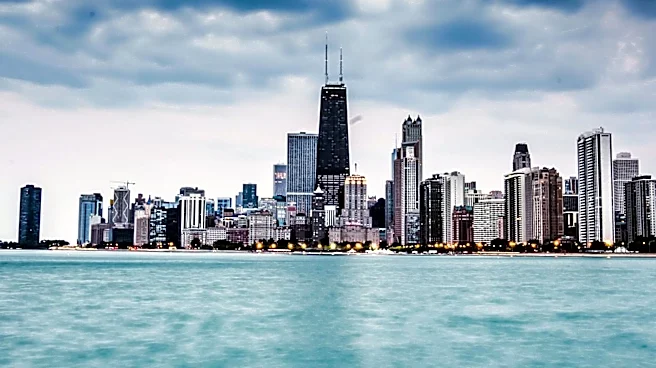
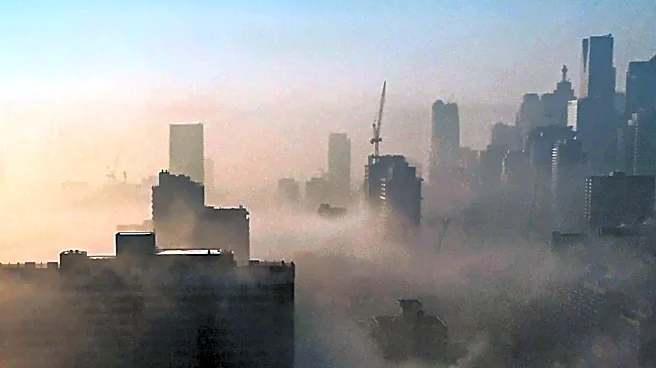
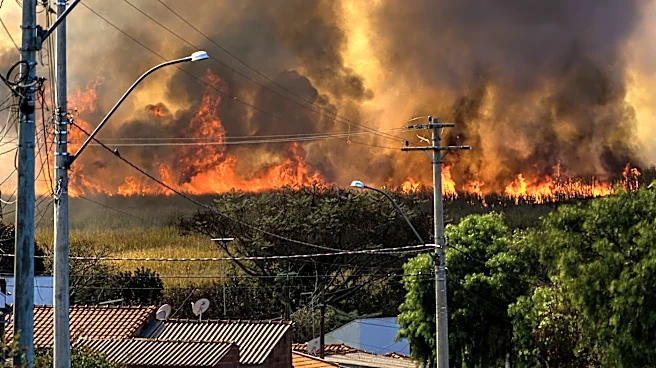
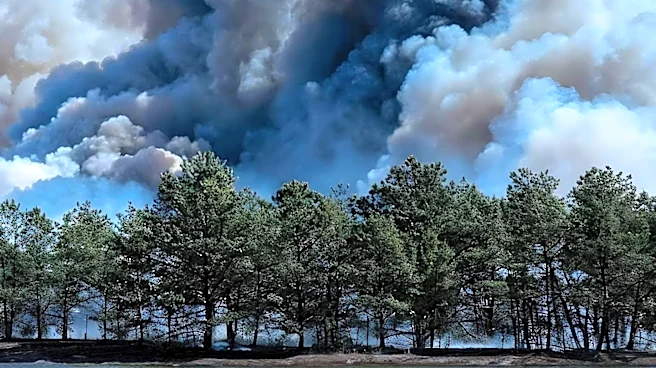
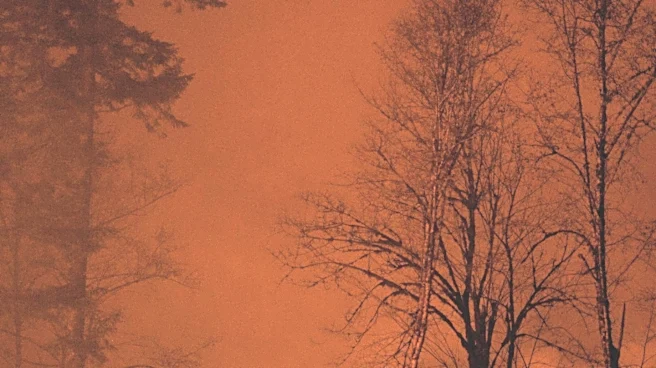
Chicago experienced the worst air quality in the world recently due to lingering wildfire smoke. The air quality index (AQI) reached hazardous levels, impacting residents' health and daily activities. The smoke, originating from distant wildfires, has
settled over the city, causing visibility issues and respiratory concerns. However, forecasts suggest that the AQI is expected to improve as the day progresses, offering some relief to the city's inhabitants.
Why It's Important?
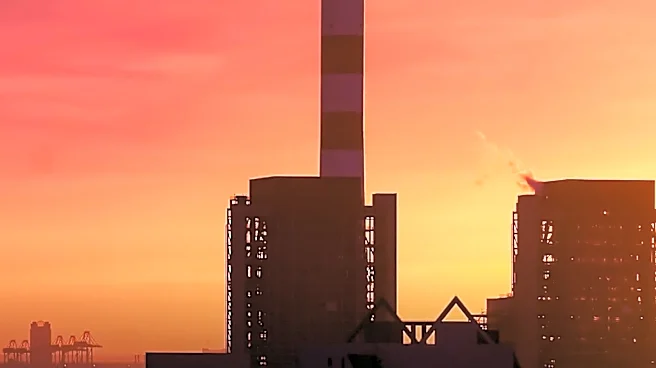
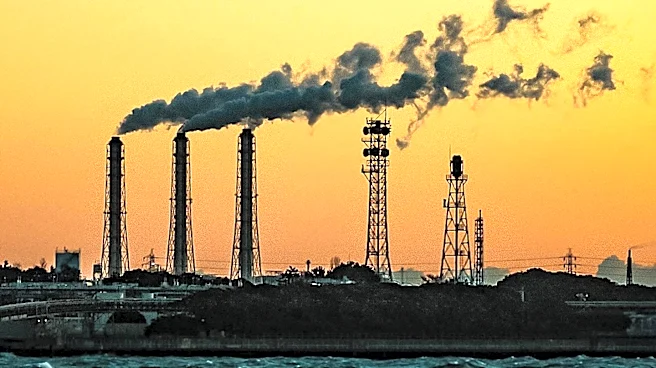
The severe air quality in Chicago highlights the broader environmental and public health challenges posed by wildfires, even those occurring far from urban centers. Poor air quality can exacerbate health issues, particularly for vulnerable populations such as children, the elderly, and those with pre-existing respiratory conditions. The situation underscores the need for effective environmental policies and emergency response strategies to mitigate the impact of such events on urban populations. Additionally, it raises awareness about the interconnectedness of environmental issues and urban living conditions.
What's Next?
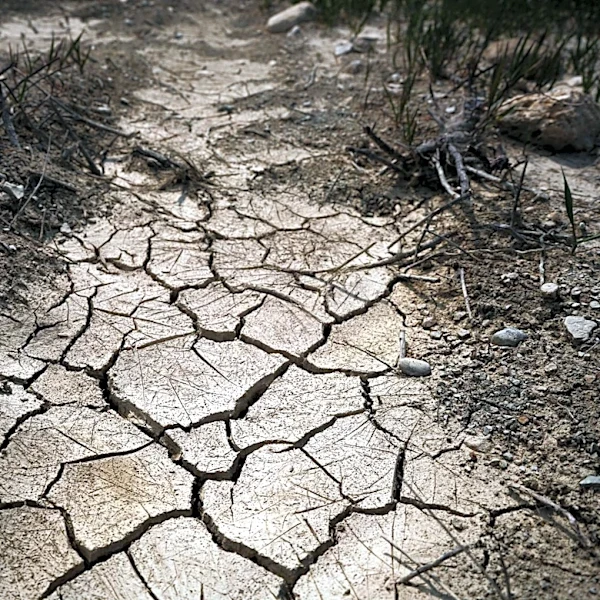
As the air quality is expected to improve, city officials and health departments will likely continue to monitor the situation closely. Residents may be advised to remain indoors and use air purifiers until conditions return to normal. The event may prompt discussions on improving air quality monitoring and response systems in urban areas. Furthermore, it could lead to increased advocacy for policies addressing climate change and its role in exacerbating wildfire frequency and intensity.