




What's Happening?
North Carolina health officials are investigating an outbreak of cyclosporiasis, with over 500 cases reported since May. The state Department of Health and Human Services is working to identify a common source for the outbreak. Although national disease
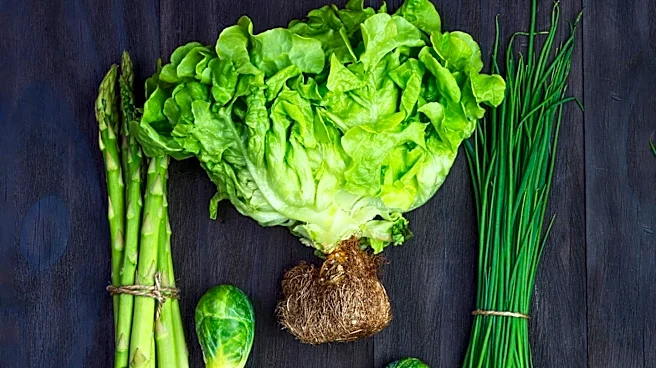
experts have linked similar cases to shredded lettuce served at Taco Bell in five other states, North Carolina's cases do not appear to be connected to this outbreak. Taco Bell has removed potentially affected Taylor Farms products from its restaurants as a precaution. Taylor Farms had initially expanded a voluntary recall of iceberg lettuce to include North Carolina, but the Food and Drug Administration (FDA) later clarified that the positive test for Cyclospora was a false positive. As of July 19, the FDA reported no confirmed positive sample results for Cyclospora in product testing. Health officials are advising the public to remove or fully cook commonly reported sources of the parasite, such as lettuce, parsley, and cilantro.
Why It's Important?
The outbreak of cyclosporiasis in North Carolina is significant due to its potential impact on public health and the food industry. Cyclosporiasis is an intestinal illness caused by the Cyclospora parasite, often linked to contaminated produce. The outbreak highlights the challenges in tracing foodborne illnesses and ensuring food safety. The involvement of a major food supplier like Taylor Farms and a popular restaurant chain like Taco Bell underscores the widespread implications for the food supply chain and consumer confidence. The situation also emphasizes the importance of accurate testing and communication from health authorities to prevent unnecessary panic and economic repercussions. The outbreak could lead to increased scrutiny and regulatory measures in the food industry to prevent future occurrences.
What's Next?
Health officials in North Carolina will continue their investigation to identify the source of the cyclosporiasis outbreak. They may collaborate with federal agencies like the FDA to enhance testing and monitoring of produce. The outcome of these investigations could lead to further recalls or safety advisories. Restaurants and food suppliers may implement additional safety protocols to prevent contamination. Public health campaigns may be launched to educate consumers on safe food handling practices. The situation could also prompt legislative discussions on food safety regulations and the need for improved tracking systems in the food supply chain.