








What's Happening?
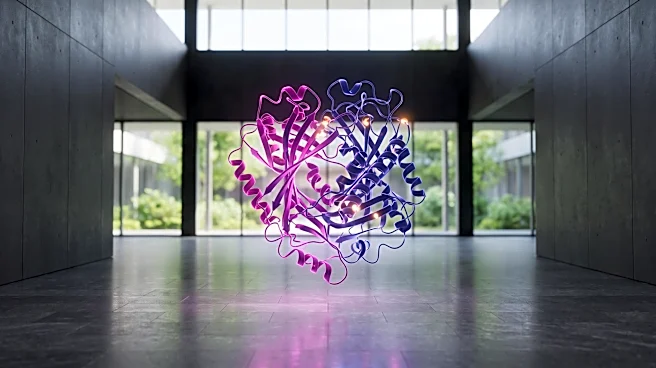
Colossal Biosciences has announced the launch of GenoMorph, a new AI platform designed to accelerate its de-extinction efforts, particularly for species with limited genetic data like the dodo bird. GenoMorph utilizes advanced 3D morphology, comparative
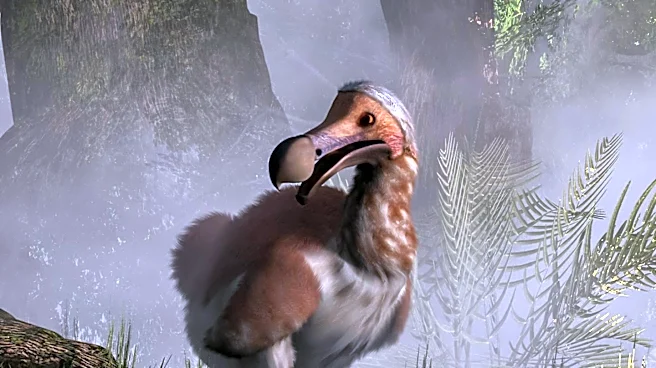
genomics, and developmental biology to identify genes that can be edited in de-extinction projects. The company is working with only one dodo genome, in contrast to the 100 woolly mammoth genomes it has obtained, making the AI platform crucial for identifying key genetic differences responsible for specific traits. Colossal CEO and co-founder Ben Lamm stated that GenoMorph acts as a 'treasure map' for the dodo genome, helping researchers pinpoint relevant genetic changes. The platform has already identified approximately 2,300 promising DNA editing targets for the dodo's cranial facial morphology, which will now be tested in the lab.
Why It's Important?
This development is significant for the field of conservation and biotechnology, offering a potential breakthrough in de-extinction efforts. The ability of GenoMorph to work with limited genetic data addresses a major bottleneck in bringing back extinct species, particularly those whose DNA is poorly preserved. If successful, this technology could pave the way for the reintroduction of other extinct animals, potentially restoring ecological balance and biodiversity. The application of AI in this context demonstrates the transformative power of artificial intelligence in scientific research, enabling more precise and efficient genetic engineering. This initiative could also stimulate further investment and research into programmable biology, with potential applications extending beyond de-extinction into health, agriculture, and broader conservation efforts, as evidenced by the formation of NeoGenesis Capital to back such ventures.
What's Next?
Colossal Biosciences plans to test the 2,300 identified DNA editing targets for the dodo's cranial facial morphology in the lab. The company has developed a new system using lipid nanoparticles to deliver gene-editing tools directly into developing bird embryos, allowing them to observe the impact of genetic changes without waiting for full breeding cycles. This experimental phase will be crucial for validating GenoMorph's predictions and determining the feasibility of creating birds with dodo traits. Concurrently, Colossal's Nicobar pigeon colony, the dodo's closest living relative, has grown to 36 birds, and essential cells for eggs and sperm have been successfully created, forming a critical part of their strategy. The long-term goal is to prove that these genetic edits can produce the desired physical traits and eventually lead to the de-extinction of the dodo.
Beyond the Headlines
The development of GenoMorph raises profound ethical and philosophical questions about humanity's role in manipulating nature and the potential consequences of de-extinction. While the stated goal is to restore biodiversity, concerns may arise regarding the ecological impact of reintroducing species into altered environments, the welfare of genetically engineered animals, and the allocation of resources that could otherwise be used for conserving existing endangered species. The platform's ability to make genetic engineering 'more precise, controlled, and testable' is a key ethical consideration, as it aims to minimize unintended consequences. However, the very act of identifying and validating genetic changes for de-extinction pushes the boundaries of what is scientifically and ethically permissible, prompting ongoing debates about the limits of biotechnological intervention in natural processes.