



What's Happening?
South Carolina Representative Russell Fry has officially endorsed Darline Graham in the upcoming August 25 primary runoff election for a U.S. Senate seat. Fry, who placed third in the initial primary, announced his support for Graham, who is also backed
by President Trump. Graham is seeking a full six-year term after being appointed by Governor Henry McMaster to complete the remainder of her late brother Lindsey Graham's term. Fry's endorsement comes despite his previous criticisms of Graham during the primary campaign, where he questioned her experience and past policy stances. His decision reportedly followed a request from President Trump, emphasizing party unity.
Why It's Important?
Russell Fry's endorsement is a significant development in the South Carolina U.S. Senate primary runoff, as it consolidates Republican support behind Darline Graham. This move could be crucial in her contest against Representative Ralph Norman. The endorsement highlights the continued influence of President Trump within the Republican Party, demonstrating his ability to shape primary outcomes and encourage party unity, even among former rivals. The result of this runoff will determine the Republican nominee for a key U.S. Senate seat, impacting the party's strength in Congress and potentially the legislative agenda at the national level.
What's Next?
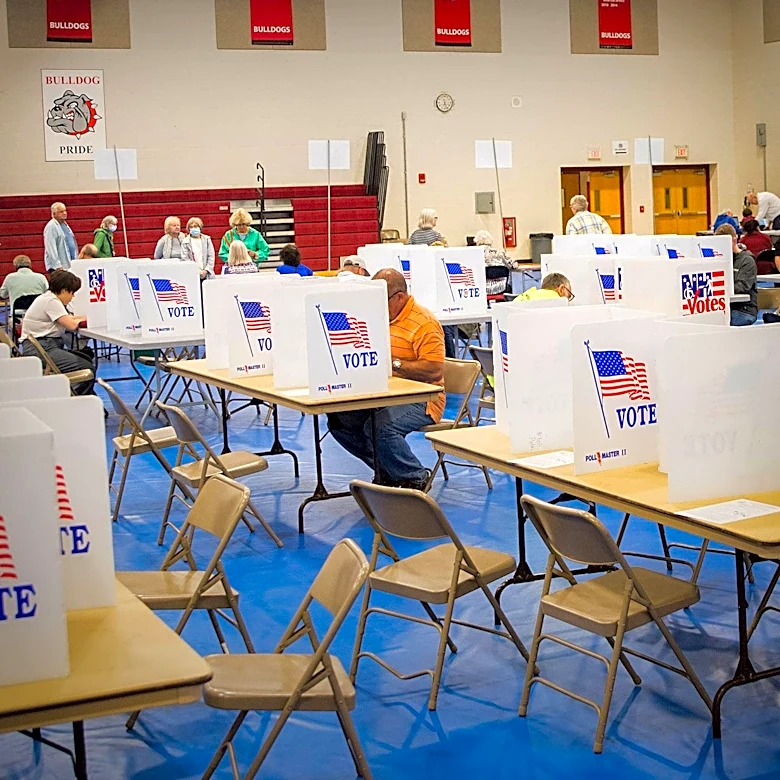
The primary runoff election between Darline Graham and Representative Ralph Norman is scheduled for August 25. President Trump has publicly pledged to campaign for Graham in South Carolina, indicating a high-profile push to secure her nomination. The campaign is expected to intensify as both candidates vie for the Republican base's support, with endorsements and party alignment playing a critical role. The outcome will not only decide who represents the Republican Party in the general election but also serve as a test of the power of presidential endorsements in state-level primary contests.
Beyond the Headlines
This endorsement exemplifies the complex internal dynamics of the Republican Party, particularly the enduring sway of President Trump in influencing candidate selections and fostering party cohesion. It showcases how intra-party rivalries, even those marked by sharp criticism, can be set aside in the interest of broader party goals and under the guidance of influential figures. The race also touches on themes of political succession and the challenges faced by candidates who are new to federal politics but benefit from established political connections and high-profile endorsements. The outcome will offer insights into the evolving landscape of Republican primary politics and the strategies employed to secure nominations.