






What's Happening?
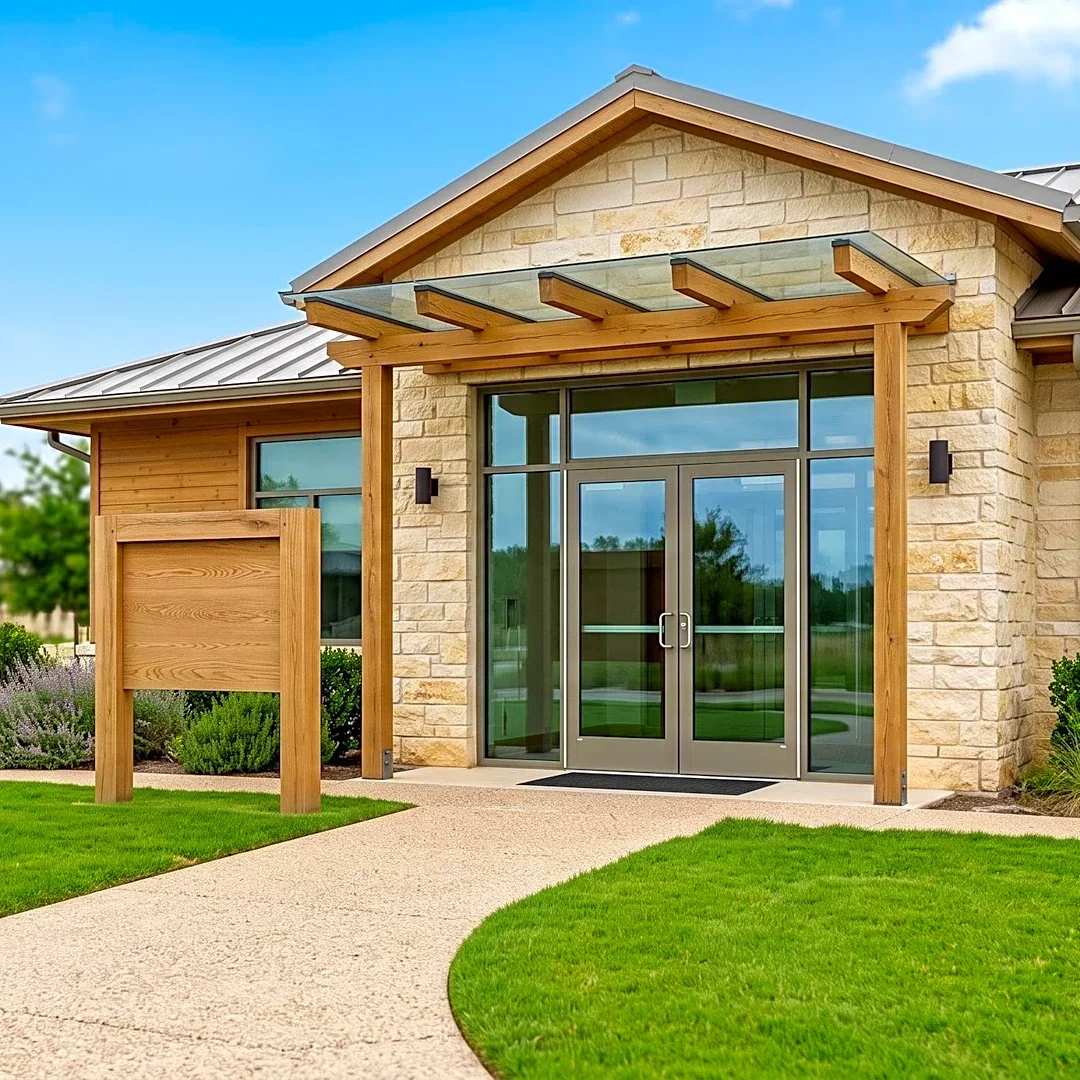
Voters in Kansas City, Kansas, will decide on a ballot question to approve a new 3/8-cent sales tax. This proposed tax, if passed, would allocate approximately 50% of its proceeds to park capital improvement projects, including parks, community centers,
and trails, and the other 50% to infrastructure projects such as roads, bridges, and sidewalks. The sales tax would commence on April 1, 2027, or as soon as legally permitted, and would terminate ten years after its start. The Unified Government estimates this tax could generate $16 million annually, split evenly between parks and public works, totaling $160 million over a decade. This initiative aims to address long-standing deferred maintenance and improve the city's infrastructure and recreational facilities.
Why It's Important?
This ballot measure is critical for Kansas City, Kansas, as it seeks to address significant underfunding in its public infrastructure and recreational facilities. The Unified Government currently faces a substantial deficit in maintaining roads, with a 'Pavement Condition Index' of 48 out of 100, far below the desired 70-80 range. The proposed sales tax would triple the current budget for park capital improvement projects and significantly boost funding for public works, which currently receives less than $5 million annually for road repairs against an estimated need of $36 million. While the tax would increase the sales tax rate, proponents argue it's a necessary investment to improve the quality of life for residents and prevent further deterioration of essential services. Opponents, however, raise concerns about the regressive nature of sales taxes, which disproportionately affect lower-income families.
What's Next?
If approved, the new 3/8-cent sales tax would begin collection on April 1, 2027, and the Unified Government's Board of Commissioners, along with Mayor Christal Watson, would be responsible for approving the yearly budget and allocating the funds. The revenue would be specifically earmarked for capital projects, meaning construction or repairs, and cannot be used for operational costs like employee salaries. The Parks and Recreation Board of Commissioners will offer recommendations on how the park funds are spent, and the Unified Government will consider community feedback for infrastructure projects. A 'yes' vote would also mean the city would reach its maximum special purpose sales tax rate, preventing further such requests until at least 2030. If the measure fails, the city will continue to grapple with its current funding limitations for infrastructure and park improvements.
Beyond the Headlines
The debate over this sales tax highlights a broader challenge faced by many U.S. municipalities: how to fund essential public services and infrastructure improvements in an equitable manner. The discussion around sales tax being a 'regressive tax' underscores the tension between generating necessary revenue and the potential impact on different socioeconomic groups. This situation also brings to light the limitations placed on local governments in Kansas, which are not allowed to charge their own income tax, making sales and property taxes primary sources of funding. The outcome of this vote could set a precedent for how Kansas City, Kansas, prioritizes and funds its long-term development, potentially influencing future fiscal strategies and community engagement in local governance.