


What's Happening?
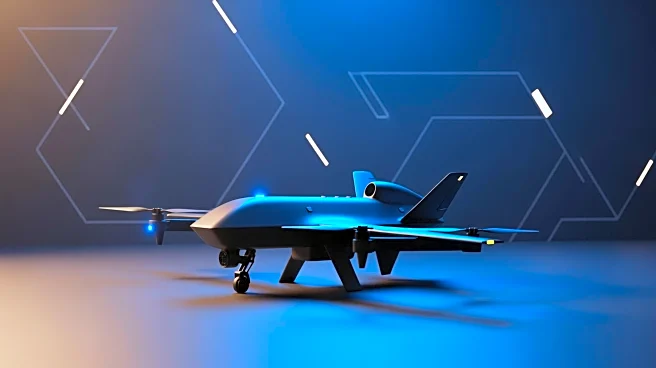
In 1954, Field Marshal Bernard Montgomery, then Deputy Supreme Allied Commander Europe for NATO, delivered a speech at the Royal United Services Institute, predicting the rise of drone warfare and the evolution of military strategy. Montgomery foresaw
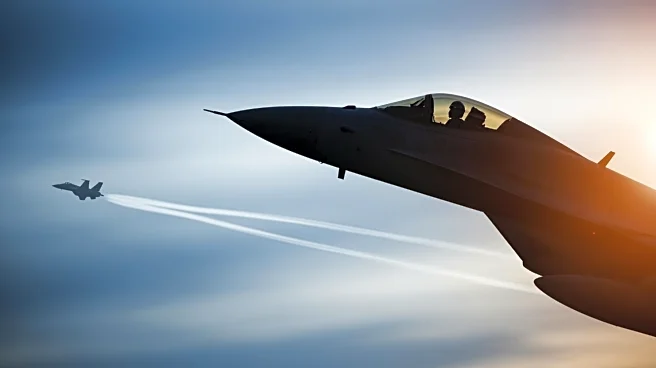
that airpower would dominate future conflicts, with unmanned aerial systems, now known as drones, becoming prevalent. He emphasized the need for NATO to develop a robust air defense system to counter potential threats from the East, which might include advanced delivery systems for weapons that do not rely on piloted aircraft. Montgomery also highlighted the importance of maintaining air superiority and the necessity of a global early warning system to preempt surprise attacks. His insights extended to the obsolescence of large naval vessels, advocating for a shift towards undersea and smaller craft, and the need for Western forces to adapt to new technological capabilities.
Why It's Important?
Montgomery's predictions underscore the enduring relevance of technological adaptation in military strategy. His foresight into drone warfare and airpower reflects current defense priorities, where unmanned systems play a critical role in modern military operations. The emphasis on air superiority and early warning systems remains crucial for national security, particularly in the context of rising global tensions and technological advancements by potential adversaries. Montgomery's call for flexibility and interoperability among allied forces highlights ongoing challenges in defense coordination and the need to streamline military operations to respond effectively to emerging threats. His insights into the obsolescence of certain military assets also resonate with current debates on defense spending and resource allocation.
What's Next?
Montgomery's vision suggests a continued focus on enhancing air defense capabilities and integrating advanced technologies into military strategies. NATO and allied nations may prioritize investments in drone technology, early warning systems, and cyber defense to maintain strategic advantages. The shift towards smaller, more agile naval forces could influence future naval procurement and strategy. Additionally, the call for greater interoperability among allied forces may drive policy changes aimed at reducing bureaucratic inefficiencies and fostering closer military collaboration. As global security dynamics evolve, Montgomery's insights could inform strategic planning and defense policy development.
Beyond the Headlines
Montgomery's predictions also raise ethical and strategic questions about the role of technology in warfare. The increasing reliance on drones and automated systems may lead to debates over the implications for human oversight and accountability in military operations. Furthermore, the focus on deterrence and rapid response capabilities highlights the potential for an arms race in advanced military technologies, with significant geopolitical implications. The need for effective deterrents against nuclear threats remains a critical concern, emphasizing the importance of diplomatic efforts to prevent escalation and promote stability.