
What's Happening?
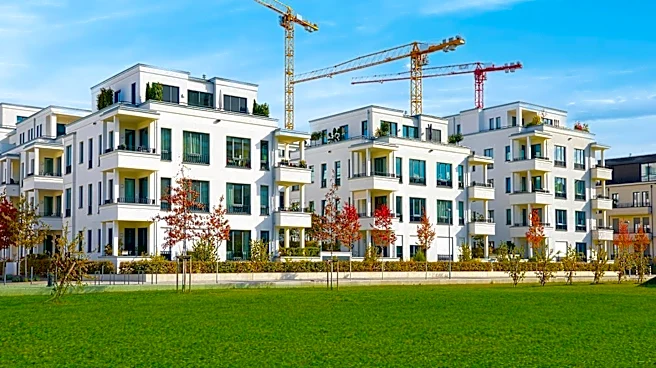
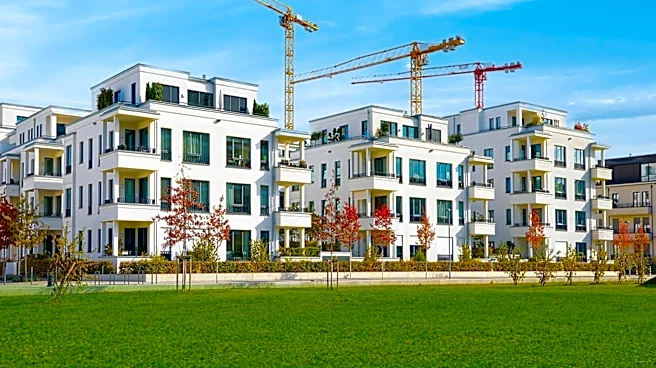
A new four-story, wood-framed building featuring 76 apartments designed for 'missing middle' households is set to open with a ceremony on Wednesday in Fort Collins' Old Town North neighborhood. The project,
named 302 Conifer, is located on 1.19 acres at the northeast corner of Conifer Street and Blue Spruce Drive. Groundbreaking for the 58,880-square-foot development occurred in late September 2025. The opening event will include remarks from city and state representatives, a private-sector lender, and The Szanton Co., the developer and owner. Tours of the building will be available, showcasing various apartment types, a resident lounge, a roof deck, a fitness center, and a large bicycle storage room with maintenance equipment. The all-electric building comprises 12 two-bedroom, 56 one-bedroom, and eight studio apartments, with rents ranging from $1,500 per month to market rate. Additional features include in-unit washers and dryers, a dog/bike wash station, rentable self-storage units, and a rooftop solar array. These apartments are specifically aimed at households earning between 70% and 100% of the area median income.
Why It's Important?
This development is significant for Fort Collins as it directly addresses the critical need for affordable housing for the 'missing middle' income bracket, a demographic often overlooked by traditional affordable housing programs and priced out of market-rate options. By targeting households earning 70% to 100% of the area median income, the project helps bridge the gap for essential workers and families who struggle to find suitable housing within their financial reach. The use of Proposition 123 funds, approved by Colorado voters in 2022, highlights a statewide commitment to increasing affordable housing stock without raising taxes, demonstrating an innovative approach to funding such initiatives. The project's all-electric design and rooftop solar array also contribute to environmental sustainability goals, aligning with broader efforts to reduce carbon footprints in urban development. This initiative could serve as a model for other U.S. cities facing similar housing challenges, showcasing how public-private partnerships and dedicated funding mechanisms can create tangible solutions for housing affordability.
What's Next?
The official opening ceremony on Wednesday will mark the availability of these 76 apartments to eligible households in Fort Collins. The Szanton Co., in partnership with various agencies, secured $26.2 million in financing for the project, which closed on September 23, 2025. This project is among the first wave to be financed by proceeds from Proposition 123, a measure that dedicates 0.1% of existing state income tax revenue to affordable housing programs. The success and occupancy rates of 302 Conifer will likely be closely monitored as a case study for future affordable housing initiatives funded by Proposition 123 across Colorado. The involvement of Fort Collins-based Dohn Construction Inc. as the general contractor and Denver-based Santulan Architecture and Szanton suggests a collaborative regional effort that could be replicated. Future developments in the region may adopt similar financing and construction models to address ongoing housing needs.
Beyond the Headlines
The 'missing middle' housing crisis is a national issue, and Fort Collins' approach with the 302 Conifer project offers a tangible example of how communities can tackle it. The reliance on Proposition 123, which reallocates existing state income tax revenue rather than imposing new taxes, reflects a politically palatable strategy for funding social programs. This model could influence policy discussions in other states looking for ways to fund affordable housing without increasing the tax burden on residents. Furthermore, the emphasis on all-electric buildings and rooftop solar arrays in this development points to a growing trend of integrating environmental sustainability with housing solutions. This dual focus not only addresses housing shortages but also contributes to climate resilience and reduces long-term operational costs for residents, promoting a more holistic approach to urban planning and community development. The project also underscores the importance of local government and private sector collaboration in addressing complex societal challenges.