






What's Happening?
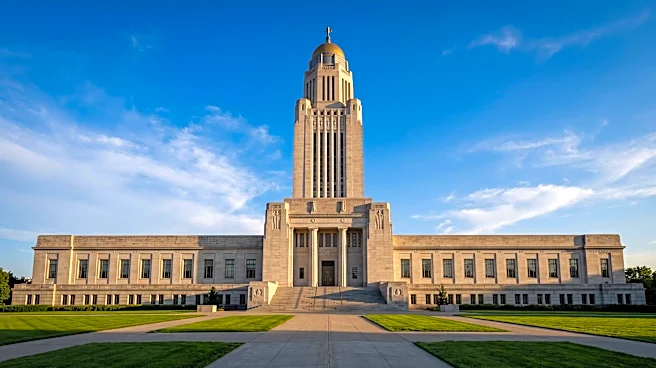
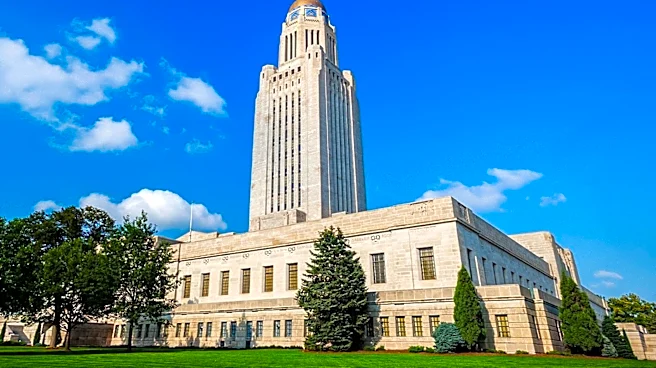
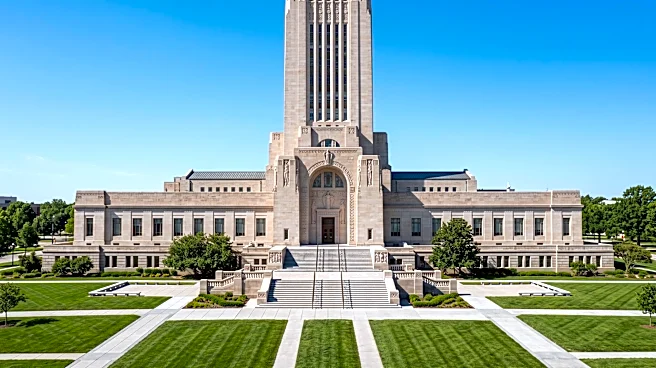
Nebraska Governor Jim Pillen recently participated in a roundtable discussion focused on re-entry programs for formerly incarcerated individuals. The event included Nebraska Department of Correctional Services Director Rob Jeffreys and several advocates,
including a formerly incarcerated individual named Justice, who is part of the 180 Re-entry Assistance Program at Metropolitan Community College. The discussion highlighted the importance of preparing individuals for community re-entry while still incarcerated and emphasized that successful re-entry is a community-wide responsibility, not solely that of correctional services. Director Jeffreys noted that the reasons individuals enter prison are often community problems. The roundtable also showcased successful initiatives like Ooh De Lally, a Dundee restaurant primarily staffed by formerly incarcerated people, where individuals like LaRue Marcos have achieved significant personal and professional growth after release. The program aims to replicate such successful models across the state, particularly in western Nebraska, adapting them for various trades or agricultural programs.
Why It's Important?
This initiative is important for Nebraska as it addresses the critical issue of recidivism and successful reintegration of formerly incarcerated individuals into society. By emphasizing community involvement and support, the state aims to reduce the likelihood of individuals returning to prison, which has significant social and economic benefits. Successful re-entry programs can lead to reduced crime rates, increased workforce participation, and stronger communities. The discussion highlights the potential for self-sufficient models, like the Ooh De Lally restaurant, which generated 57% of its budget from earned revenue in 2025, demonstrating a sustainable approach to supporting these individuals. Expanding such programs could provide stable employment and housing, crucial factors in preventing re-offending and fostering productive citizenship. The focus on replicating these models across the state indicates a commitment to a broader, more systemic solution to re-entry challenges.
What's Next?
While no concrete plans have been finalized, the roundtable discussion indicates that Nebraska leaders are actively considering strategies to expand and diversify re-entry programs for formerly incarcerated individuals. The next steps will likely involve exploring funding mechanisms, as identified by Diane Good with MCC 180-RAP as a main obstacle, although successful models like Ooh De Lally suggest potential for self-sufficiency once established. Leaders aim to replicate the Ooh De Lally model in other parts of the state, potentially adapting it for different industries such as trades or agriculture. This suggests a future focus on developing a continuous system of care and programming for individuals transitioning from incarceration back into the community. Further discussions and planning will be necessary to establish concrete initiatives and secure the resources needed to implement these expanded programs across Nebraska.
Beyond the Headlines
The discussion around re-entry programs in Nebraska touches upon deeper societal implications beyond immediate employment and reduced recidivism. It highlights a shift in perspective, recognizing that incarceration is not merely a punitive measure but also an opportunity for rehabilitation and reintegration, requiring collective community effort. The success stories shared, such as Justice finding safety and LaRue Marcos achieving homeownership and family reunification, underscore the profound human impact of effective re-entry support. This approach challenges the traditional view of corrections as solely a state responsibility, advocating for broader community engagement in addressing the root causes of incarceration and supporting individuals post-release. The emphasis on self-sustaining models like Ooh De Lally also points towards innovative economic solutions that can create social good while fostering financial independence for vulnerable populations, potentially inspiring similar initiatives in other states grappling with similar challenges.