





What's Happening?
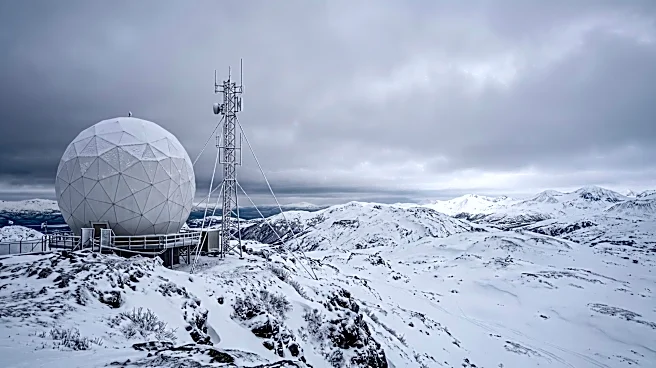
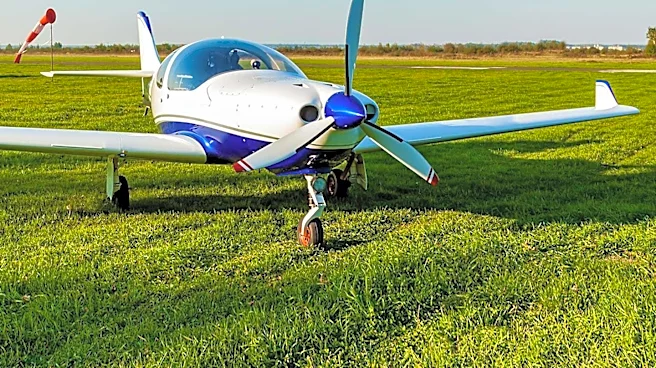
A charter aircraft carrying eight people crashed in western Alaska on Thursday, killing all on board. The incident occurred near a remote radar site, approximately 450 miles west of Anchorage. The Cessna 441, a twin-engined plane, was making its second
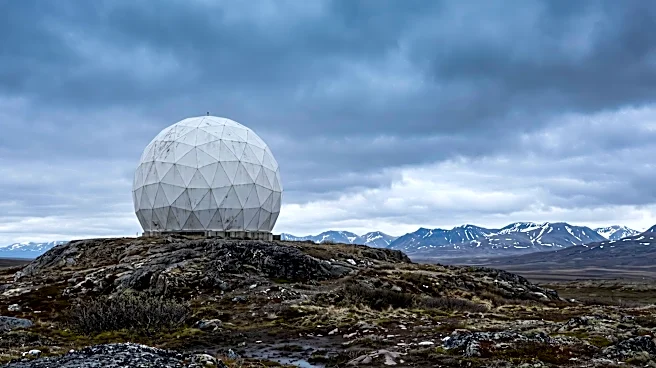
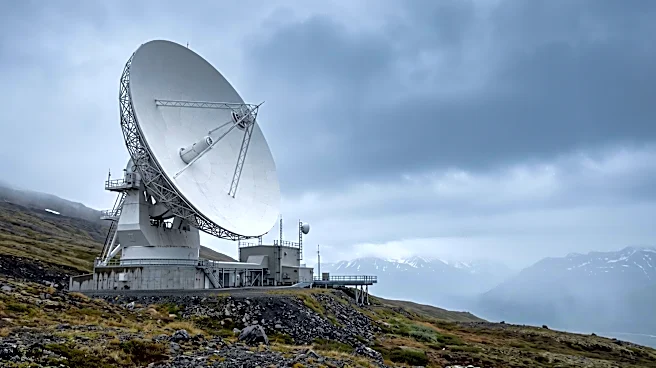
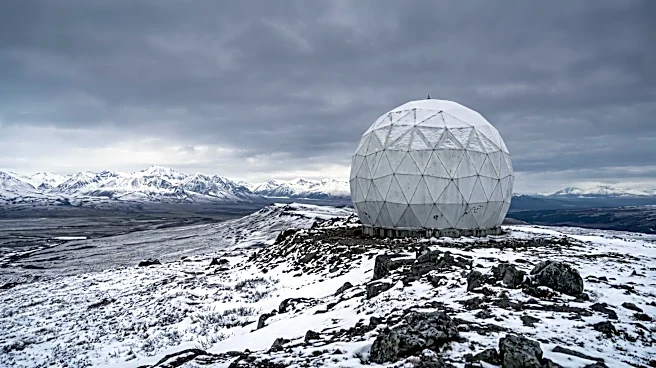
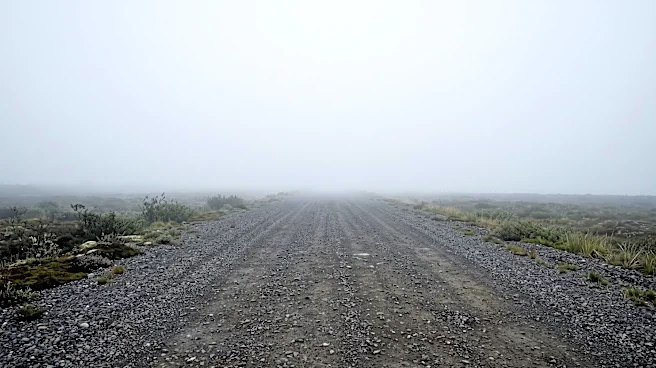
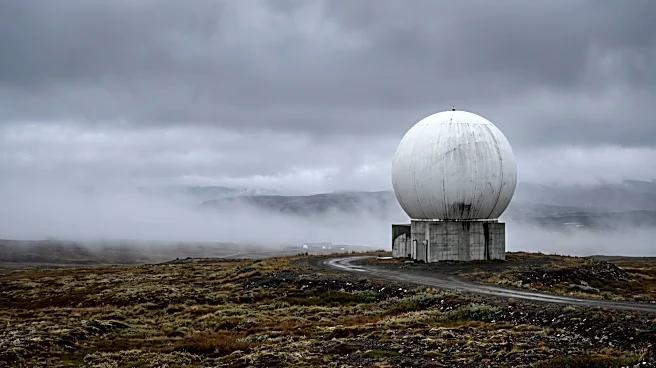
approach to a gravel airstrip in heavy fog, relying solely on instruments due to a lack of visibility. According to Clint Johnson, the National Transportation Safety Board’s Alaska region chief, regulations required the pilots to abort their first landing attempt. The crash happened about one-third of a mile from the runway during the second attempt. The eight victims included two pilots, two employees of the US Army Corps of Engineers, and four contractors, two of whom worked for Calista Brice, a company involved in construction, engineering, and logistics in remote areas. The radar site is managed by the Pacific Air Forces Regional Support Center and is part of a network tracking aircraft in Alaska's airspace.
Why It's Important?
This tragic incident underscores the inherent risks of aviation in challenging environments, particularly in remote Alaskan regions characterized by severe weather and mountainous terrain. The reliance on instrument-only flying highlights the critical importance of advanced navigation systems and pilot training in adverse conditions. The loss of US Army Corps of Engineers employees and contractors performing vital missions at a military radar site also points to the human cost of maintaining national security infrastructure in remote areas. This event will likely trigger a thorough investigation by the National Transportation Safety Board, which could lead to updated aviation safety protocols, particularly concerning approaches to remote airstrips in low visibility. The incident also brings attention to the essential, yet often dangerous, work performed by civilian contractors supporting military operations in demanding environments.
What's Next?
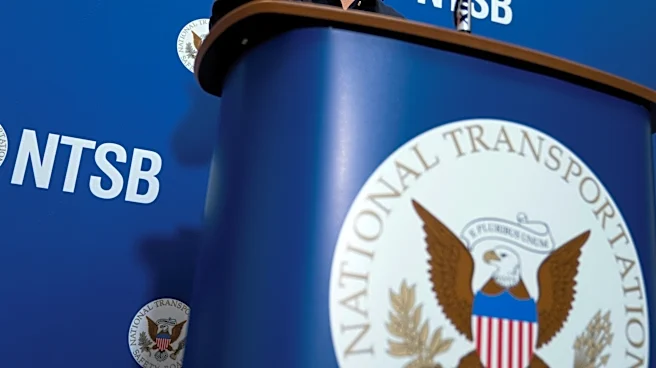
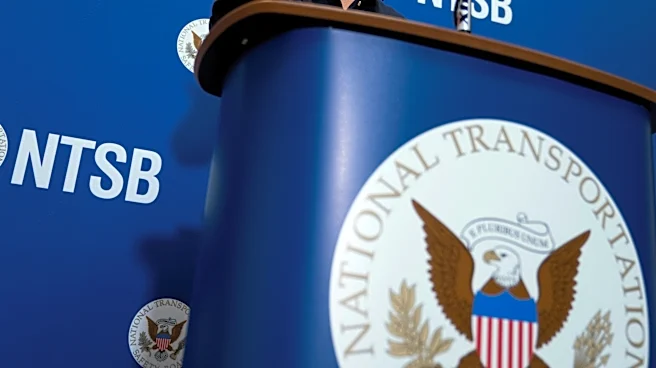
The National Transportation Safety Board (NTSB) will conduct a comprehensive investigation into the crash to determine its exact cause. This will involve analyzing flight data, weather conditions, pilot communications, and the aircraft's maintenance history. The findings from this investigation could lead to new recommendations for aviation safety, particularly for flights operating in remote, instrument-only conditions in Alaska. The US military and associated contractors will likely review their operational procedures for transporting personnel to remote sites. Additionally, there will be a focus on providing support to the families and colleagues of those who perished in the crash. Senator Lisa Murkowski of Alaska has already expressed condolences and appreciation for the responding authorities, indicating ongoing governmental attention to the incident and its aftermath.
Beyond the Headlines
The crash in Alaska highlights the broader challenges of operating in extreme geographical and climatic conditions, which are often critical for national defense and infrastructure. The reliance on civilian-contracted aircraft for military support missions raises questions about oversight, training standards, and the integration of civilian and military operational protocols in high-risk environments. Ethically, the incident prompts reflection on the responsibilities of both government agencies and private contractors to ensure the utmost safety for personnel undertaking essential but dangerous work. Culturally, it reinforces the unique resilience and risks associated with life and work in Alaska's remote regions, where communities often depend on air travel for connectivity and essential services. The long-term implications could include a re-evaluation of funding for remote infrastructure, advanced weather forecasting, and air traffic control systems in such challenging areas.