
What's Happening?
The concept of 'just transition' is being explored as a framework for addressing the historical and systemic issues related to colonialism, extraction, and systemic violence. This term, while widely used,
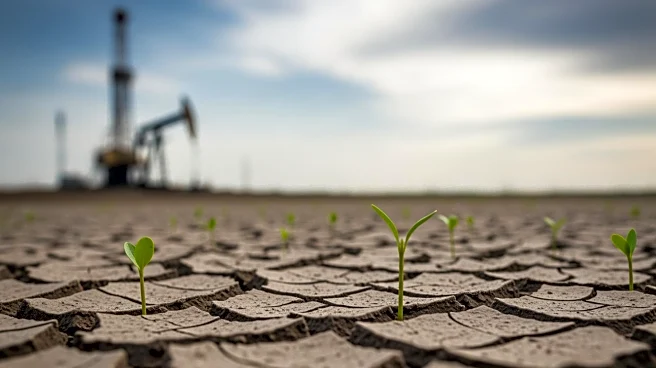
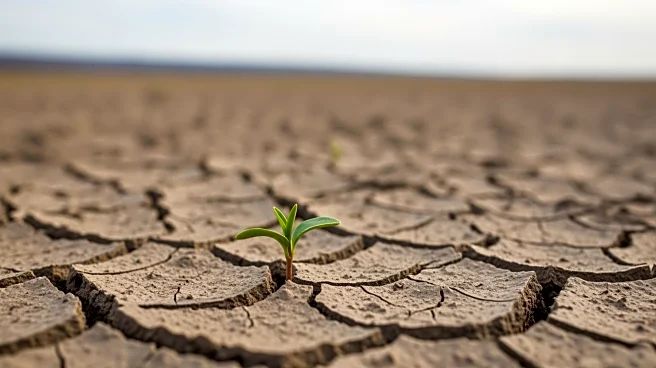
lacks a singular definition and is at risk of becoming an empty catchphrase. It emphasizes the importance of centering human dignity and democratic control in transitioning from an extractive economy to a regenerative one. The idea is rooted in historic labor organizing and aims to address the needs of marginalized communities. Various perspectives highlight the necessity of personal and systemic transformation to achieve a sustainable and equitable future.
Why It's Important?
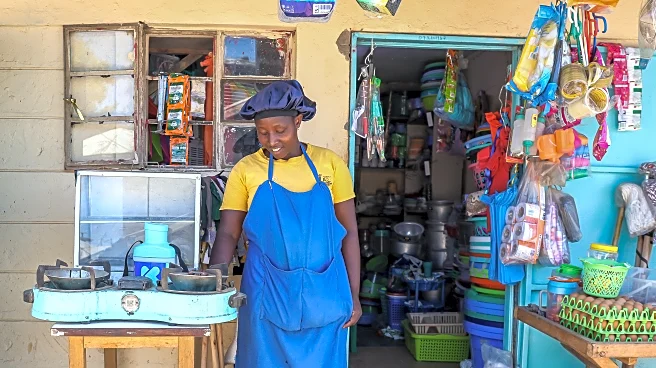
The 'just transition' framework is significant as it addresses the need for systemic change in how economies operate, particularly in moving away from extractive practices. It has implications for labor, environmental movements, and global reparations, emphasizing the need for community-driven solutions. This approach could lead to more sustainable economic systems that prioritize human and environmental well-being. The framework also highlights the importance of local agency and the potential for communities to drive meaningful change, which could lead to reduced waste, increased security, and enhanced skills.
What's Next?
The future of the 'just transition' concept involves continued dialogue and collaboration across sectors to refine and implement its principles. Stakeholders, including community organizers, environmentalists, and policymakers, are likely to engage in further discussions to develop actionable strategies. The focus will be on building resilient communities capable of leading the transition to sustainable systems. This may involve creating frameworks for local economic development and fostering relationships that support global change. The challenge will be to ensure that the transition is equitable and inclusive, addressing the needs of all communities.
Beyond the Headlines
The deeper implications of a 'just transition' involve a fundamental shift in societal values and priorities. It calls for a reevaluation of the relationship between humans and the environment, emphasizing interdependence and sustainability. This shift could lead to a more diverse and inclusive world, where nonmarket mechanisms like bartering and community volunteering play a central role. The concept also challenges existing power structures and encourages a move towards more localized and community-focused economic models. Ultimately, it seeks to create a world where all individuals can thrive and contribute to a shared vision of sustainability and equity.