








What's Happening?
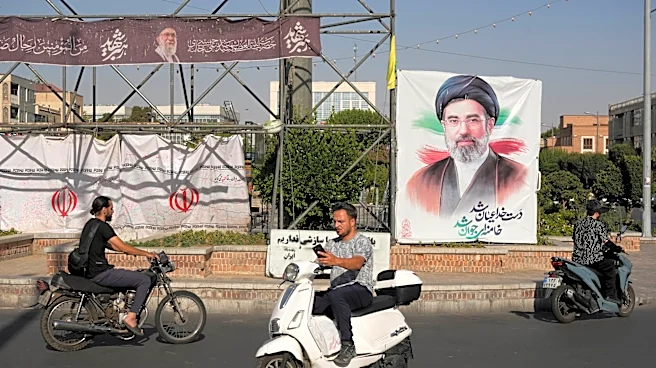
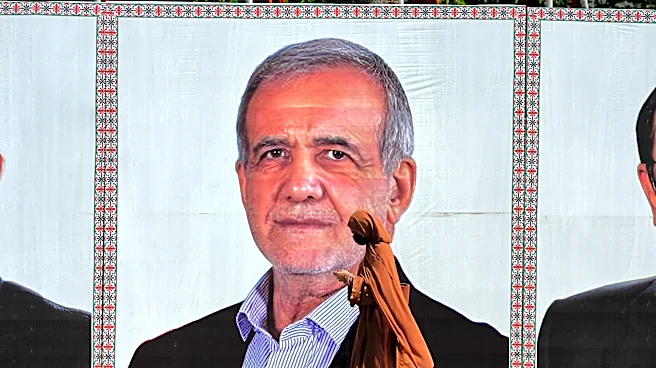
The United States and Iran are set to resume peace negotiations in Doha, as announced by President Trump on Truth Social. This development follows recent technical discussions in Switzerland, which were described as positive by Qatari and Pakistani mediators.
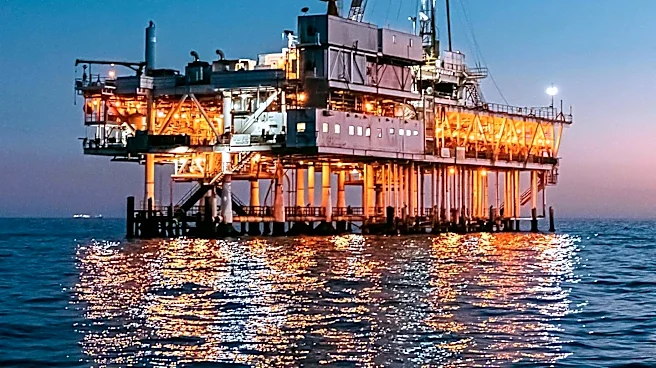
Despite these talks, tensions have escalated with the US conducting strikes on Iran and Iranian drones attacking tankers in the Strait of Hormuz. Both nations have accused each other of violating ceasefire agreements. The ongoing negotiations are part of a Memorandum of Understanding signed earlier this month, which aims to cease hostilities and reopen the Strait of Hormuz, a critical passage for global oil and liquefied natural gas transit.
Why It's Important?
The resumption of talks between the US and Iran is significant as it addresses ongoing geopolitical tensions that have implications for global energy markets. The Strait of Hormuz is a vital corridor for oil and gas shipments, and its closure or instability could disrupt global supply chains, affecting energy prices worldwide. The negotiations also touch on broader issues such as Iran's nuclear program, which has been a point of contention in international relations. Successful talks could lead to a reduction in regional tensions and contribute to global economic stability, benefiting industries reliant on stable energy supplies.
What's Next?
The current Memorandum of Understanding allows for 60 days of further discussions on more complex issues, including Iran's nuclear ambitions. Both sides have provided conflicting accounts of the agreement's details, indicating potential challenges ahead. The international community, particularly stakeholders in the energy sector, will be closely monitoring these talks. Future negotiations could lead to a more comprehensive agreement, potentially easing sanctions on Iran and altering the geopolitical landscape in the Middle East.