







What's Happening?
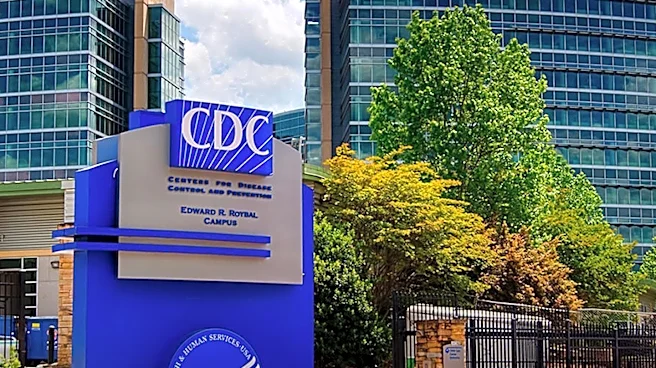
Effective November 3, 2026, at 11:59 p.m. Eastern Standard Time, all passengers flying from any foreign country, including Colombia, to the United States must sign an Ebola attestation form. This new requirement, ordered by the US Centers for Disease
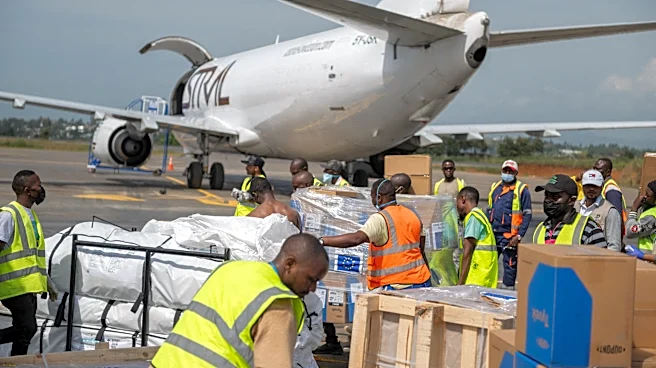
Control and Prevention (CDC), is a response to a growing Ebola outbreak in the Democratic Republic of the Congo. The form requires travelers to confirm they have not been in the Democratic Republic of the Congo within the 21 days prior to their flight. This rule applies to all individuals on the aircraft, including passengers and crew, regardless of their nationality, with exceptions only for those with a U.S. government exemption. Airlines are mandated to ensure each form is completed and signed, and they must refuse boarding to any passenger who does not comply. The order is set to expire on December 18, 2026, unless the CDC modifies or extends it based on the evolving outbreak situation.
Why It's Important?
This new travel requirement significantly impacts international air travel to the U.S., introducing an additional step for all inbound passengers. While Colombia is not specifically targeted, its status as a major point of origin for flights to the U.S. means a large number of travelers will be affected. The measure underscores the U.S. government's proactive approach to public health security, aiming to prevent the spread of infectious diseases within its borders. For airlines, it adds a new layer of operational responsibility and potential liability, as they must enforce the attestation and retain records. Travelers face potential delays and the risk of being denied boarding if they fail to complete the form accurately. The CDC's decision highlights the global interconnectedness of public health, where outbreaks in one region can trigger widespread travel restrictions and health protocols internationally, affecting economic and social exchanges.
What's Next?
Travelers flying to the U.S. from Colombia or any other foreign country on or after November 3, 2026, should anticipate an additional step during check-in. Airlines will determine how they present and collect the Ebola attestation form, which could be either paper-based or digital. Passengers are advised to contact their airline in advance to understand the specific procedures and allow extra time at the airport, especially during the initial days of implementation. The CDC's order is temporary, with an expiration date of December 18, 2026. Its continuation or modification will depend on the trajectory of the Ebola outbreak in the Democratic Republic of the Congo. There is also a possibility that the Transportation Security Administration (TSA) may introduce its own enforcement measures at U.S. airports, further impacting the travel experience. Non-compliance with the attestation form could lead to federal criminal penalties, including fines and potential imprisonment.
Beyond the Headlines
The implementation of this Ebola attestation form reflects a broader trend in global health security, where national borders are increasingly fortified against biological threats. This measure, while aimed at preventing disease transmission, also raises questions about the balance between public health imperatives and individual travel freedoms. The requirement for travelers to self-attest to their recent travel history places a significant burden of responsibility on individuals and relies on their honesty, with severe penalties for falsification. This approach could set a precedent for future responses to international health crises, potentially leading to more frequent and stringent travel restrictions based on global disease patterns. The economic implications for the travel industry, particularly airlines and tourism, could be substantial if such measures become prolonged or more widespread, affecting passenger volumes and operational costs. The focus on the Democratic Republic of the Congo also highlights the disproportionate impact of global health crises on developing nations and the subsequent ripple effects on international relations and travel.