




What's Happening?
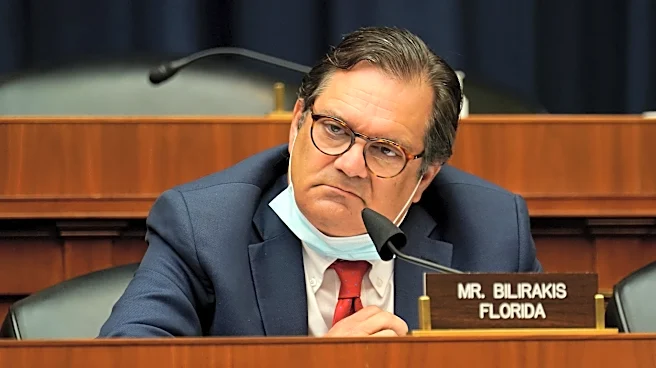
Representative Gus Bilirakis has announced that the House of Representatives passed the bipartisan Water Resources Development Act (WRDA) of 2026, which includes several water infrastructure, resiliency, and ecosystem restoration priorities for Florida’s
12th District and the Tampa Bay region. The bill aims to address critical water-related issues in the area. Specific projects and studies authorized by the measure include feasibility studies for ecosystem restoration in Pasco County and the Lower Withlacoochee River watershed. Additionally, it provides funding authorizations for water and wastewater projects in Hernando and Pasco counties, along with a regional water infrastructure authorization for parts of Hillsborough, Pasco, and Pinellas counties. The legislation also directs expedited studies for hurricane and storm-damage risk reduction at Port Tampa Bay, McKay Bay, and near MacDill Air Force Base, which Bilirakis described as forward-looking investments for the region.
Why It's Important?
The passage of the Water Resources Development Act of 2026 is significant for Florida's 12th Congressional District and the broader Tampa Bay region. It represents a federal commitment to improving vital water infrastructure, enhancing storm resiliency, and protecting natural resources in a coastal area highly susceptible to environmental challenges. The authorized feasibility studies and funding for water and wastewater projects are crucial for ensuring access to clean water and modern sanitation for residents. Furthermore, the focus on hurricane and storm-damage risk reduction is particularly important for a region frequently impacted by severe weather events, aiming to safeguard communities and critical military installations like MacDill Air Force Base. These investments are designed to mitigate future economic losses and protect public safety, demonstrating a proactive approach to climate adaptation and infrastructure modernization.
What's Next?
Following its passage in the House, the Water Resources Development Act of 2026 will now proceed to the Senate for consideration. If it passes the Senate, it will then require presidential assent to become law. Should the bill be enacted, the authorized feasibility studies for ecosystem restoration and water infrastructure projects will commence, leading to potential future construction and implementation phases. The funding authorizations will enable local and regional authorities to move forward with planned water and wastewater improvements. Stakeholders, including local governments, environmental groups, and residents in the affected Florida counties, will likely monitor the bill's progress in the Senate and subsequent implementation closely to ensure the timely and effective execution of these critical water resource initiatives.
Beyond the Headlines
The Water Resources Development Act of 2026 underscores a growing national recognition of the need for robust water infrastructure and climate resilience, particularly in vulnerable coastal regions. Beyond the immediate benefits of improved water systems and storm protection, this legislation reflects a broader shift towards integrating environmental protection with economic development. The emphasis on ecosystem restoration alongside infrastructure projects highlights a holistic approach to managing natural resources. This could set a precedent for future federal legislation, encouraging other states and regions to pursue similar comprehensive strategies for water management and climate adaptation. The bipartisan support for such measures also suggests a potential for continued collaboration on environmental and infrastructure issues, transcending typical political divides in areas where the impacts of climate change are increasingly evident.