




What's Happening?
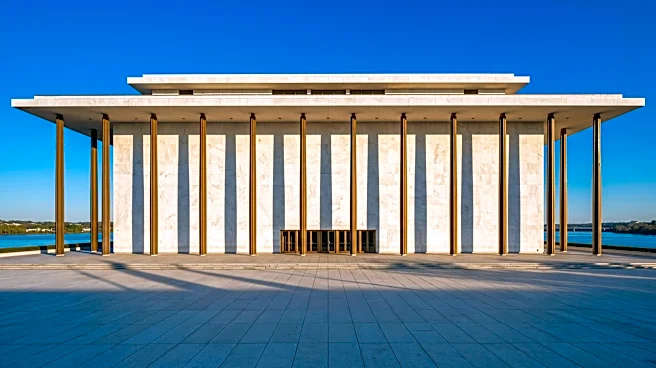
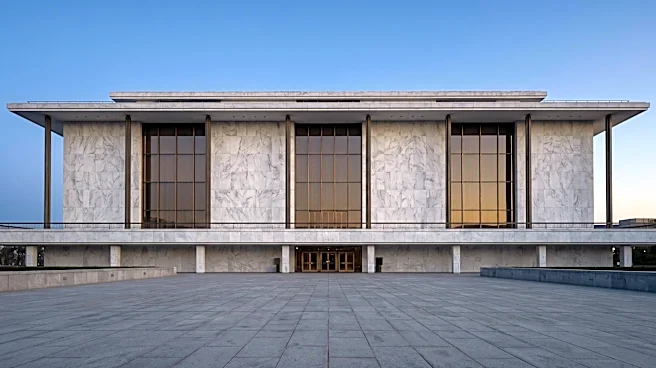
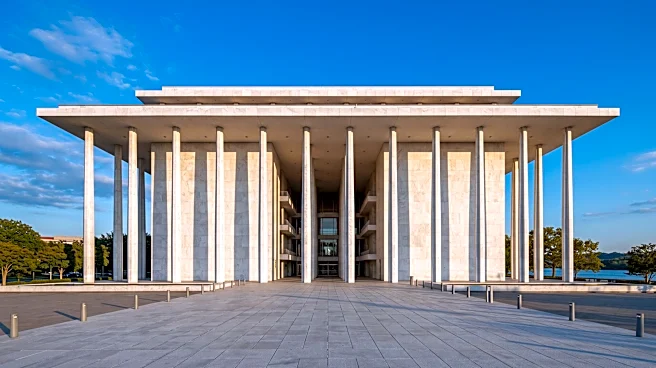
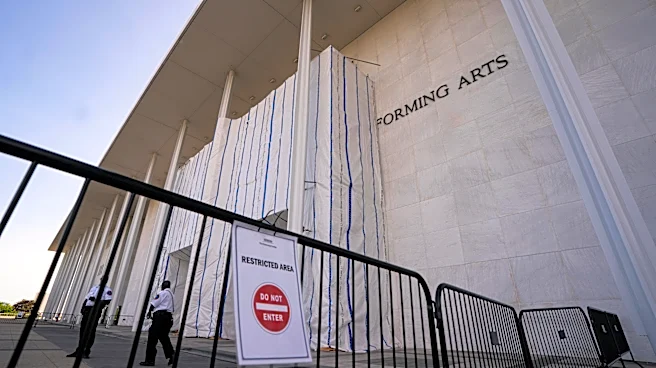
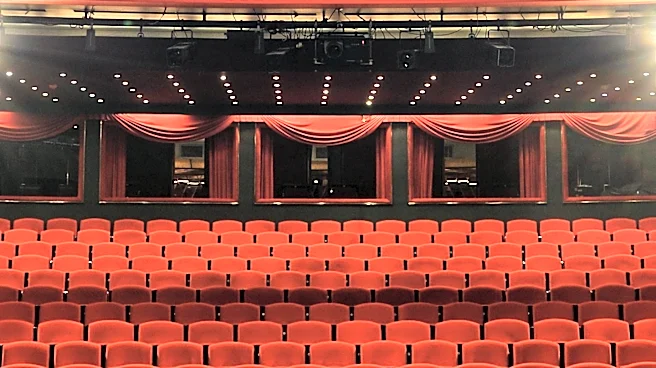
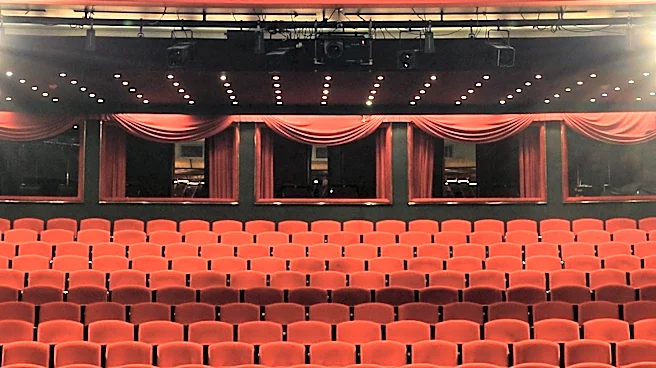
A U.S. District Court Judge, Christopher Cooper, has expressed skepticism regarding the Kennedy Center board's plan to reinscribe President Trump's name on the venue's facade by early next month. This development follows a previous ruling by Judge Cooper in May
that deemed the initial addition of President Trump's name to the building illegal, ordering its removal. The Trump-aligned board at the Kennedy Center voted earlier this month to change the signage to read "The John F. Kennedy Center for the Performing Arts Restored and Renovated By President Donald J. Trump." Additionally, the plaza in front of the Kennedy Center would be renamed in President Trump's honor. The judge questioned the urgency of the September 8th deadline for the inscription, and also pressed the Trump administration's lawyer, Bradley Mayers, on the legal basis for these actions given the ongoing appeal of his earlier ruling. Representative Joyce Beatty, an ex officio board member, has been leading efforts to block these moves.
Why It's Important?
This situation highlights an ongoing legal and political battle over the recognition and legacy of President Trump within federal institutions. The Kennedy Center, a prominent national performing arts venue, is at the center of this dispute, raising questions about the appropriate way to honor presidents and the influence of political appointments on cultural institutions. The judge's continued scrutiny underscores the legal complexities involved in altering the names and designations of public buildings, especially when previous court orders are in place. The administration's argument that the Kennedy Center might face demolition without President Trump's recognition for fundraising purposes introduces a significant and potentially alarming dimension to the debate, suggesting a high-stakes outcome for the future of the historic venue. This case could set precedents for how future administrations approach the naming and renovation of national landmarks.
What's Next?
Judge Cooper is expected to issue a ruling on whether he has the jurisdiction to block the Kennedy Center's current plans, especially given the administration's appeal of his earlier decision. The Trump administration's lawyers are appealing the May ruling that found the initial naming illegal, which adds a layer of complexity to the current proceedings. The Kennedy Center board's insistence on the September 8th deadline for the inscription suggests a desire to move forward quickly, potentially before further legal challenges can fully unfold. The outcome of this judicial review will determine whether President Trump's name is reinscribed on the Kennedy Center's facade and plaza, and could influence future decisions regarding the naming and recognition of individuals within national institutions. The possibility of the Kennedy Center's demolition, though downplayed by Commerce Secretary Howard Lutnick, remains a contentious point in the administration's arguments.
Beyond the Headlines
Beyond the immediate legal and political implications, this dispute touches upon broader themes of historical legacy, presidential influence, and the preservation of national cultural institutions. The attempt to prominently feature President Trump's name on the Kennedy Center, a venue traditionally associated with President John F. Kennedy, reflects a desire to reshape the narrative and physical landscape of Washington D.C. The administration's suggestion of potential demolition if fundraising efforts are hindered by a lack of recognition raises ethical questions about the use of such leverage in cultural preservation. This case also highlights the tension between political appointments to cultural boards and the long-term stewardship of national treasures. The outcome could influence how future administrations approach the branding and renovation of federal buildings, potentially leading to more politicized decisions regarding national landmarks and their historical interpretations.