





What's Happening?
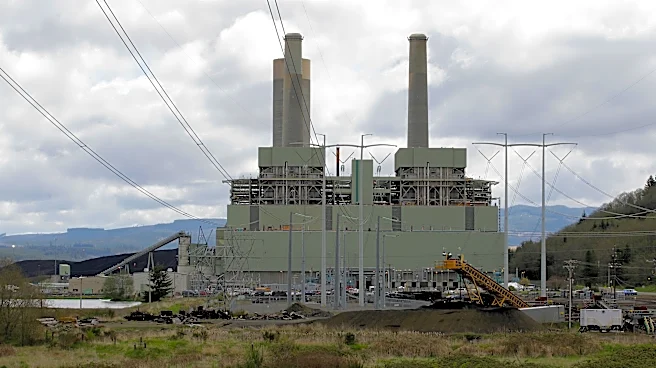
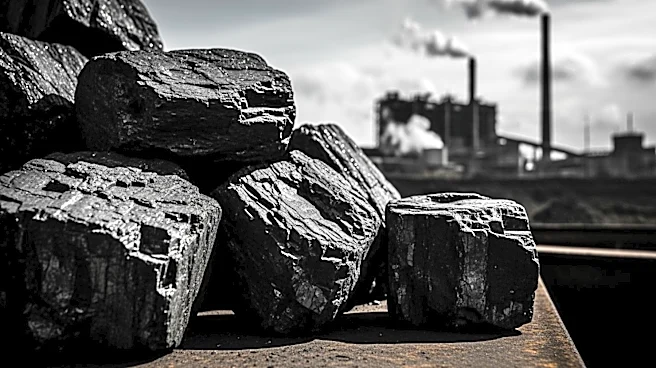
President Trump has invoked the Defense Production Act (DPA) to allocate nearly $700 million in federal support for the coal industry. This funding is aimed at modernizing and upgrading coal-fired power plants, constructing new facilities, and enhancing
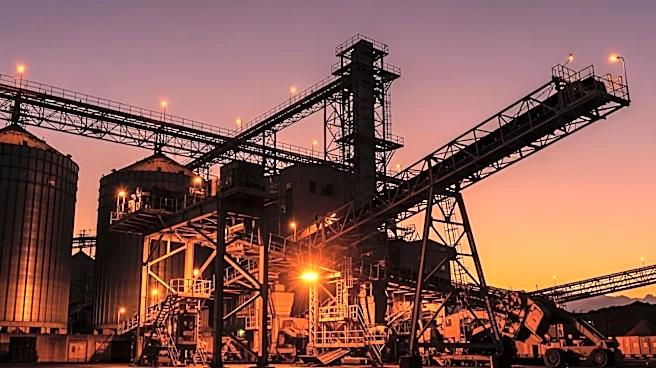
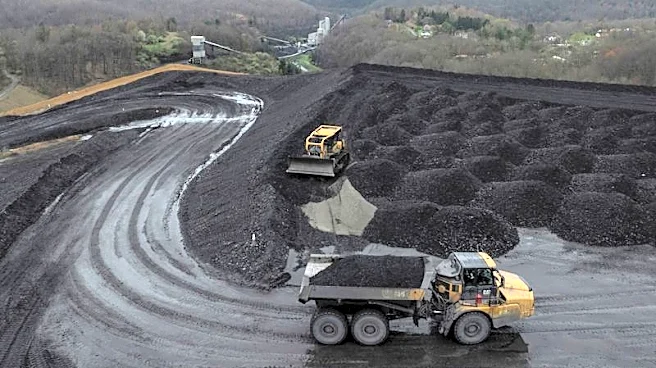
export infrastructure. The initiative is part of the administration's strategy to ensure reliable baseload power amid increasing demand from AI data centers and industrial growth. The funding includes $425 million for upgrading 13 existing coal plants across 10 states and $185 million for building new plants in Alaska and West Virginia. Additionally, $75 million is allocated for the Oakland Bulk and Oversized Terminal in California to boost coal exports.
Why It's Important?
This move by the Trump administration highlights a continued commitment to the coal industry, which has faced significant challenges due to environmental concerns and competition from renewable energy sources. By supporting coal infrastructure, the administration aims to secure energy independence and create jobs in coal-dependent regions. However, this decision has sparked criticism from environmental groups who argue that it could increase pollution and delay the transition to cleaner energy sources. The initiative reflects a broader policy focus on energy dominance and the strategic importance of maintaining a diversified energy mix.
What's Next?
The implementation of this funding will involve modernizing existing coal plants and constructing new facilities, which could extend the operational life of these plants and stabilize electricity prices. The administration's focus on coal may lead to further regulatory actions to support the industry. However, the initiative is likely to face legal and political challenges from environmental advocates and policymakers pushing for a transition to renewable energy. The long-term impact on the coal industry will depend on market dynamics, technological advancements, and future policy decisions.