




What's Happening?
A recent report from the United Nations Environment Programme (UNEP) has acknowledged that global warming is set to exceed the 1.5-degree Celsius limit established by the 2015 Paris climate accord. The report indicates that the world will cross this threshold
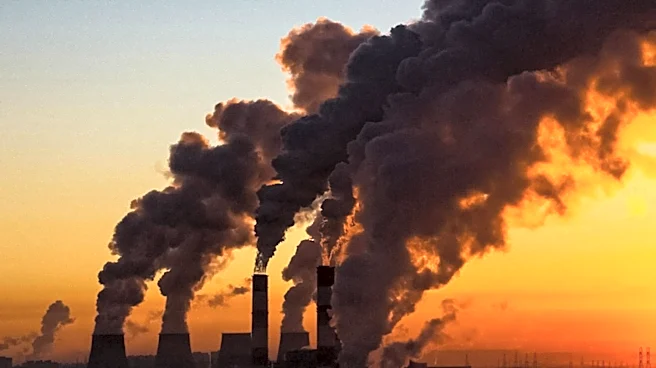
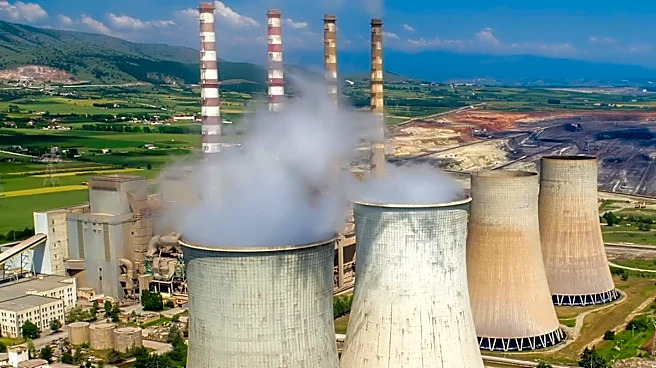
within the next few years, primarily due to the continued burning of coal, oil, and gas. This marks a strategic shift in the UN's approach, moving from preventing the 1.5-degree warming to preparing for and navigating a future where this limit is surpassed. The new strategy, termed 'overshoot,' envisions global temperatures following a hump-shaped path, peaking, and then gradually cooling back below the 1.5-degree mark, ideally by the end of the century. The current global temperature is approximately 1.4 degrees Celsius above pre-industrial levels, based on a 20-year average. The most optimistic scenario in the report suggests warming could peak at 1.8 degrees Celsius around mid-century if ambitious climate goals are pursued, but current policies could lead to a 2.6-degree Celsius increase by 2100.
Why It's Important?
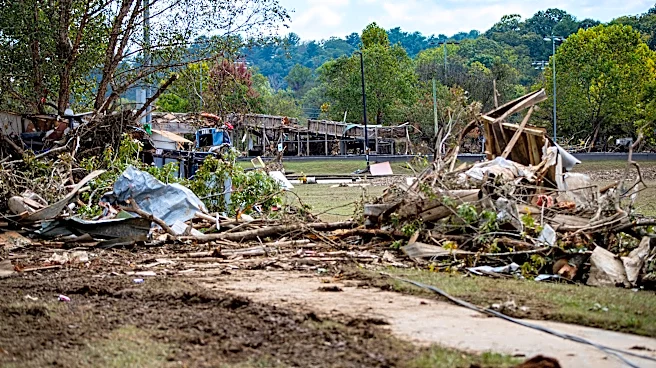
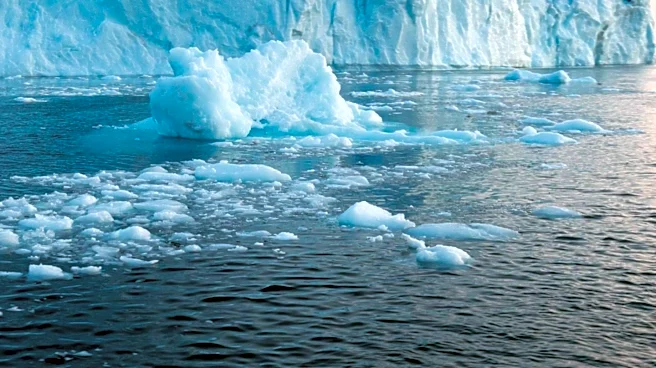
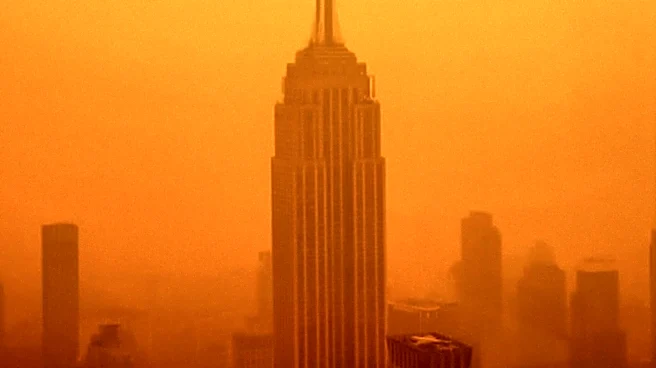
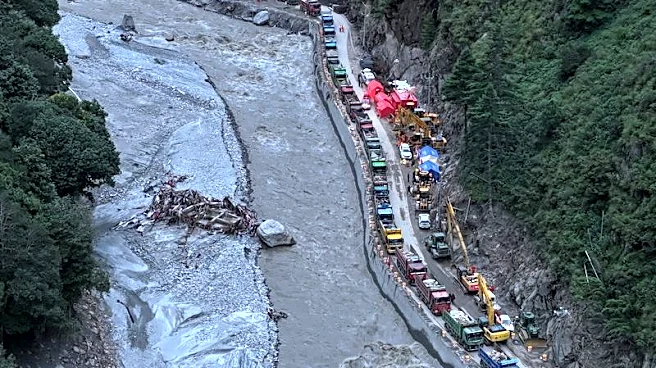
This report is significant as it represents a formal acknowledgment by the UN that the world will not meet the critical 1.5-degree Celsius warming target, a threshold scientists have identified to avoid the most catastrophic impacts of climate change. The 'overshoot' strategy implies that humanity will face decades of increased weather-related disasters, rising sea levels, extinctions, and melting ice and glaciers. The report warns of potential 'tipping points' with irreversible consequences, such as the loss of the West Antarctic and Greenland ice sheets, the Amazon rainforest, and the disruption of the Atlantic Ocean circulation system. These impacts will disproportionately affect vulnerable populations and could render some locations uninsurable or uninhabitable. The shift in strategy also highlights the urgent need for novel carbon removal approaches, as traditional methods like tree planting are deemed insufficient to significantly reduce global temperatures. This re-evaluation of climate goals will likely influence international climate policy, investment in green technologies, and adaptation strategies across various sectors.
What's Next?
The UN's new approach calls for policymakers to 'prepare for and navigate a future' where the 1.5-degree limit is exceeded, emphasizing the need to limit the peak temperature and reduce the duration of the overshoot period. This will require intensified efforts to reduce greenhouse gas emissions and develop advanced carbon removal technologies. The report suggests that every five years of delay in emission reductions adds at least a tenth of a degree to peak warming, underscoring the urgency of immediate action. Governments are expected to increase efforts to adapt to worsening warming, focusing on 'coping and containment' strategies. The debate over geoengineering strategies, which currently lack consensus on safety and effectiveness, is likely to intensify. International regulations shaped by representative communities are deemed critical before any geoengineering action is taken. The report also implicitly calls for a re-evaluation of fossil fuel phase-out strategies, as some critics argue the report understates the potential for rapid decarbonization.
Beyond the Headlines
The UN's acknowledgment of exceeding the 1.5-degree target carries profound ethical and societal implications. It signals a potential shift in the global climate narrative from prevention to mitigation and adaptation, raising questions about intergenerational equity and the responsibility of developed nations. The concept of 'overshoot' and subsequent cooling relies heavily on the development and deployment of carbon removal technologies, which are currently expensive and unproven at scale. This could lead to a 'moral hazard,' where the promise of future technological solutions might reduce the immediate impetus to cut emissions. Furthermore, the report's emphasis on adaptation and coping with unavoidable impacts highlights the growing climate justice concerns, as the poorest communities are often the hardest hit. The long-term shifts could include significant geopolitical realignments as nations grapple with resource scarcity, climate migration, and the economic costs of climate change, potentially leading to increased international cooperation or conflict over climate solutions and burdens.