


What's Happening?
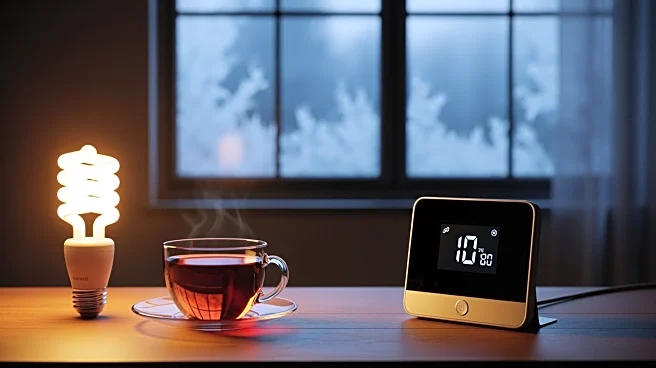
As winter temperatures drop, many households increase their use of heaters and electronics, leading to higher energy bills. A significant contributor to these costs is 'vampire power,' where devices consume electricity even when turned off. Smart home
technologies, such as smart plugs, power strips, and programmable thermostats, can help mitigate this issue by providing automation, scheduling, and tracking features. These devices allow homeowners to control their power consumption more effectively, potentially reducing energy bills by up to 20%. Products like smart plugs can shut off power remotely, while smart thermostats adjust home temperatures based on routines, optimizing energy use during peak demand times.
Why It's Important?
The use of smart home devices is crucial in managing energy consumption, especially during winter when heating and electronic usage spikes. By reducing unnecessary energy use, these technologies can significantly lower utility costs for households. This is particularly important as energy prices fluctuate, impacting household budgets. The adoption of smart devices not only offers financial savings but also contributes to energy conservation efforts. As more consumers become aware of these benefits, there could be a shift towards more energy-efficient homes, reducing the overall demand on energy resources.
What's Next?
As energy prices continue to fluctuate, the demand for smart home technologies is likely to increase. Consumers may seek out these devices to gain better control over their energy usage and expenses. Additionally, as technology advances, more sophisticated and user-friendly smart home solutions are expected to enter the market, further driving adoption. Energy providers might also collaborate with tech companies to offer integrated solutions that optimize energy use during peak times, providing additional savings to consumers.