






What's Happening?
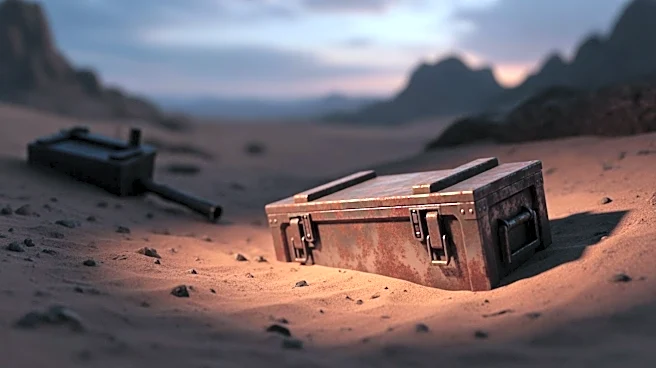
Iran is reportedly using the current ceasefire to recover weapons that were buried underground or concealed beneath rubble from previous American and Israeli airstrikes. This effort is part of Iran's strategy to quickly restore its drone and missile capabilities,
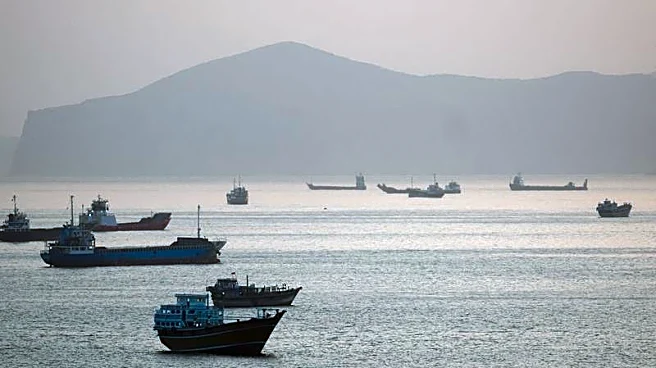
potentially preparing for future military operations if President Trump decides to resume hostilities. According to sources, Iran has accelerated these efforts as peace negotiations remain stalled, increasing the likelihood of renewed conflict. The regime had previously managed to preserve parts of its arsenal by deploying decoys and dispersing weapons across the country. The situation remains tense as the U.S. government, including President Trump, is being briefed on strategic options regarding Iran, particularly concerning the Strait of Hormuz.
Why It's Important?
The recovery of weapons by Iran during the ceasefire has significant implications for regional stability and U.S. foreign policy. If Iran successfully reconstitutes its military capabilities, it could lead to increased tensions and potential military confrontations in the Middle East. This development poses a challenge to U.S. interests in the region, particularly in maintaining the security of strategic waterways like the Strait of Hormuz. Additionally, the situation could impact global oil markets and international relations, as countries may need to navigate the complexities of a potentially resurgent Iranian military threat. The U.S. administration's response to these developments will be crucial in shaping future diplomatic and military strategies.
What's Next?
As Iran continues its efforts to recover and restore its military capabilities, the U.S. and its allies may need to reassess their strategies in the region. Potential responses could include diplomatic efforts to revive peace negotiations or military preparations to counter any aggressive actions by Iran. The international community will likely monitor the situation closely, with possible implications for global security and economic stability. The U.S. Congress and the administration may also face pressure to address the situation through legislative or executive actions, potentially impacting defense and foreign policy decisions.