






What's Happening?
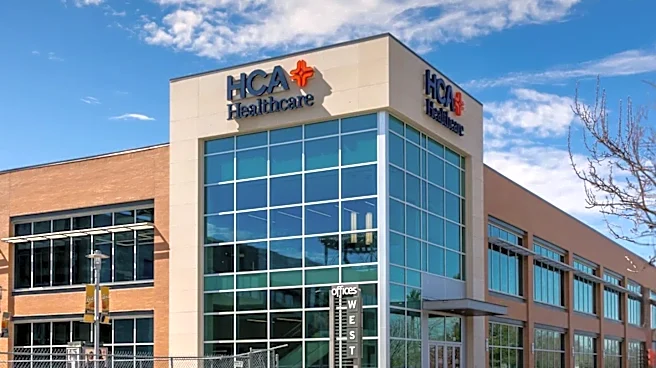
Worcester, Massachusetts, is celebrating the completion of the state's largest office-to-housing conversion project. This initiative transforms former office spaces into residential units, addressing housing needs within the city. Concurrently, a significant
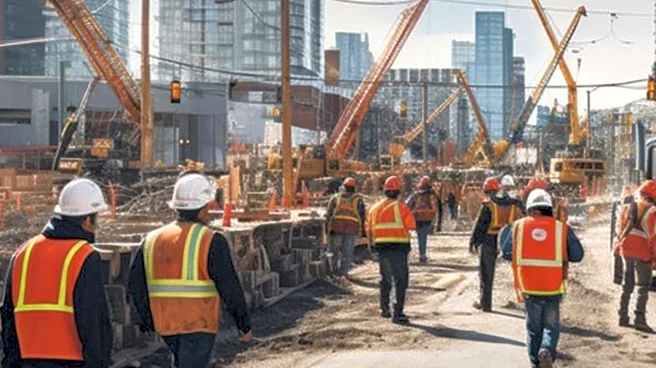
dispute has emerged involving the Menkiti Group, a developer involved in a Downtown Worcester project. A contractor claims that the Menkiti Group has withheld nearly $1 million in payments for work completed on this separate development. This financial disagreement casts a shadow on the ongoing urban development efforts in Worcester, highlighting potential challenges in large-scale construction and revitalization projects. The city is also seeing community-focused initiatives, such as a program at UMass Memorial pairing cancer survivors with patients, and National Grid hosting events to help residents manage winter energy costs.
Why It's Important?
The conversion of office spaces to housing in Worcester is a critical development for urban planning and housing policy in the U.S. As many cities grapple with underutilized office buildings and a shortage of affordable housing, such conversions offer a dual solution, revitalizing downtown areas and increasing residential capacity. This project could serve as a model for other municipalities facing similar challenges. However, the reported payment dispute involving the Menkiti Group underscores the financial complexities and potential risks associated with large development projects. Unresolved payment issues can lead to project delays, legal battles, and financial strain on contractors, potentially deterring future investment and development. The success and smooth operation of these projects are vital for local economies, job creation, and the overall well-being of urban communities.
What's Next?
The celebration of the office-to-housing conversion will likely continue to draw attention to Worcester's innovative approach to urban development, potentially inspiring similar projects in other U.S. cities. Regarding the payment dispute, it is anticipated that the contractor and the Menkiti Group will engage in negotiations or legal proceedings to resolve the alleged nearly $1 million in withheld payments. The outcome of this dispute could influence future contractor-developer relationships and payment practices in large-scale construction projects in Worcester and beyond. Meanwhile, community initiatives like the UMass Memorial cancer survivor program and National Grid's energy-saving events will continue to provide support and resources to Worcester residents, addressing immediate social and economic needs.
Beyond the Headlines
The trend of converting office spaces into residential units reflects a broader societal shift in how urban areas are utilized, particularly in the post-pandemic era where remote work has altered office demand. This transformation has significant implications for urban demographics, infrastructure, and local economies, potentially leading to more vibrant, mixed-use downtowns. The payment dispute, while seemingly a localized financial issue, highlights systemic challenges within the construction industry, including contract enforcement, financial transparency, and the protection of contractors' rights. Such disputes can erode trust within the industry and impact the financial stability of smaller businesses. The long-term success of urban revitalization efforts hinges not only on innovative projects but also on equitable and transparent business practices that ensure all stakeholders are fairly compensated.