



What's Happening?
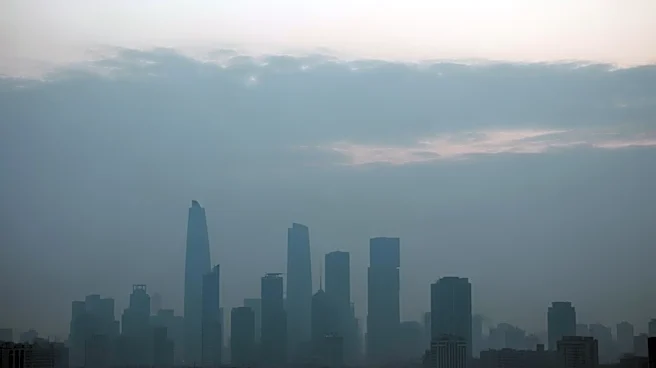
The National Weather Service has issued an air quality alert for parts of southern and southeastern California, advising residents to keep windows and doors closed. This alert is due to a significant increase in fine particle pollution, reaching 'unhealthy'
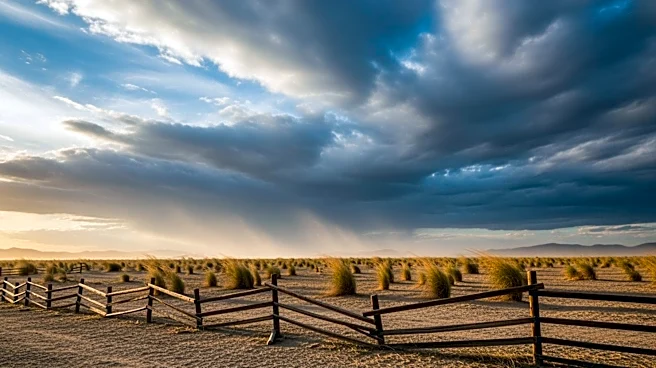
and 'very unhealthy' levels as reported by the Environmental Protection Agency's AirNow map. The poor air quality is attributed to harmful levels of windblown dust, with westerly winds forecasted to reach speeds of 25 to 35 mph and gusts up to 60 mph. The affected areas include the Coachella Valley and Imperial Valley, encompassing cities such as Indio, Palm Springs, and El Centro. The fine dust particles pose health risks, particularly to sensitive groups like the elderly, children, and those with pre-existing heart or lung conditions.
Why It's Important?
The air quality alert highlights the significant health risks posed by environmental factors such as windblown dust. Poor air quality can exacerbate respiratory and cardiovascular conditions, leading to increased healthcare needs and potential strain on medical facilities. The alert also underscores the importance of public awareness and preparedness in mitigating health risks associated with environmental pollution. Residents are encouraged to limit outdoor activities and reduce emissions, which can further degrade air quality. This situation serves as a reminder of the broader implications of environmental management and the need for effective policies to address air pollution.
What's Next?
The air quality alert is expected to remain in effect until mid-Sunday morning for the Coachella Valley and until Sunday evening for the Imperial Valley. Winds are forecasted to decrease after Sunday, with calmer conditions anticipated from Tuesday onward, which should lead to improved air quality. Residents are advised to stay informed through local forecasts and updates from the National Weather Service. Continued monitoring and adherence to recommended precautions will be crucial in minimizing health impacts during this period.