





What's Happening?
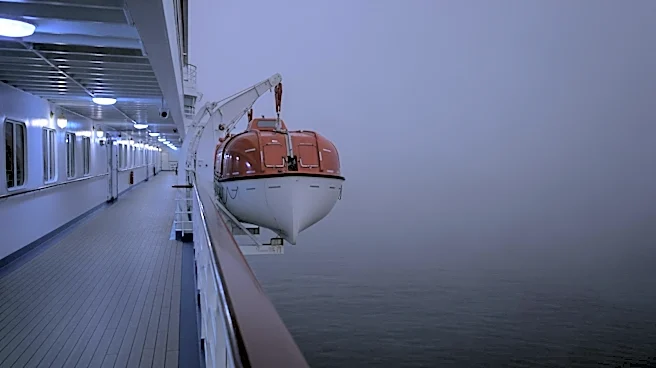
A deadly hantavirus outbreak on the MV Hondius cruise ship has resulted in eight people falling ill, including three fatalities. The World Health Organization confirmed six cases as hantavirus infections, with two more suspected. The European Centre for
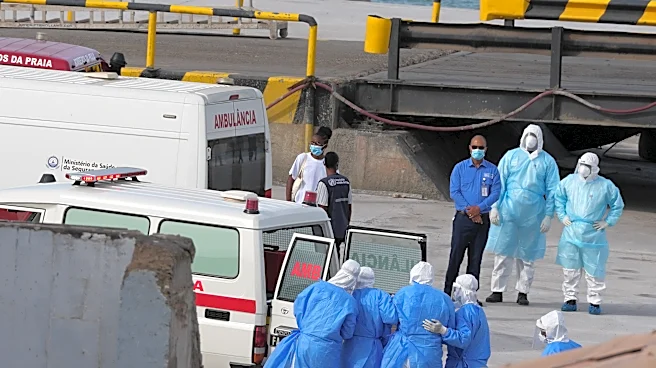
Disease Prevention and Control (ECDC) has classified all passengers as high-risk contacts. The ship is expected to arrive off the Spanish island of Tenerife, where a mobile medical facility has been set up at the port of Granadilla de Abona. Passengers showing symptoms will undergo medical assessment and testing upon arrival. Depending on their condition, they may be isolated in Tenerife or medically evacuated to their home countries. Asymptomatic passengers will be repatriated for self-quarantine using specially arranged transport.
Why It's Important?
The outbreak highlights the ongoing challenges of managing infectious diseases in confined environments like cruise ships. The hantavirus, while less common than other viral infections, poses significant health risks, particularly in close quarters. The situation underscores the importance of rapid response and international cooperation in public health emergencies. The measures taken by the ECDC and WHO aim to prevent further spread of the virus and protect public health. This incident may lead to increased scrutiny and regulation of health protocols on cruise ships, impacting the travel industry and passenger confidence.
What's Next?
Countries are preparing to evacuate their citizens from the MV Hondius, with the ship expected to anchor off Tenerife. The ECDC will continue to monitor the situation, and further medical assessments will determine the next steps for affected passengers. The incident may prompt reviews of health and safety protocols on cruise ships, potentially leading to stricter regulations and guidelines. The travel industry may also see changes in passenger screening and health monitoring to prevent similar outbreaks in the future.