









What's Happening?
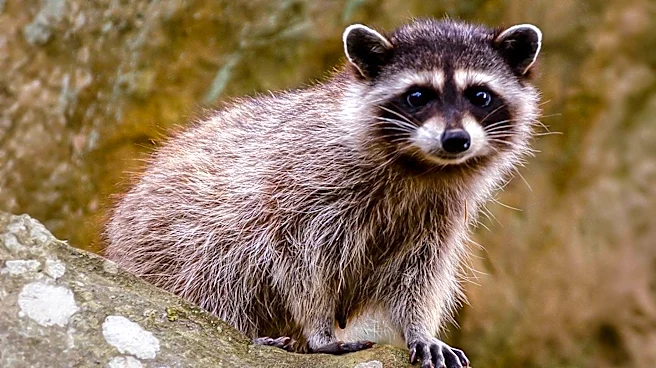
Toronto has become known as the world capital of urban raccoons, with these adaptable creatures thriving in the city's environment. Raccoons have successfully transitioned from their natural woodland habitats to urban settings, demonstrating remarkable
cognitive flexibility and problem-solving abilities. This adaptability has allowed them to exploit the resources available in cities, leading to a high population density. The presence of raccoons in Toronto is so pervasive that they have become a part of the city's cultural identity, with numerous stories and encounters shared by residents.
Why It's Important?
The success of raccoons in urban environments highlights the broader issue of wildlife adaptation to human-altered landscapes. It raises questions about the impact of urbanization on wildlife and the potential for coexistence between humans and animals in cities. For urban planners and policymakers, understanding these dynamics is crucial for developing strategies that balance urban development with biodiversity conservation. The raccoons' adaptability also serves as a reminder of the resilience of nature and the need to consider ecological impacts in urban planning.