


What's Happening?
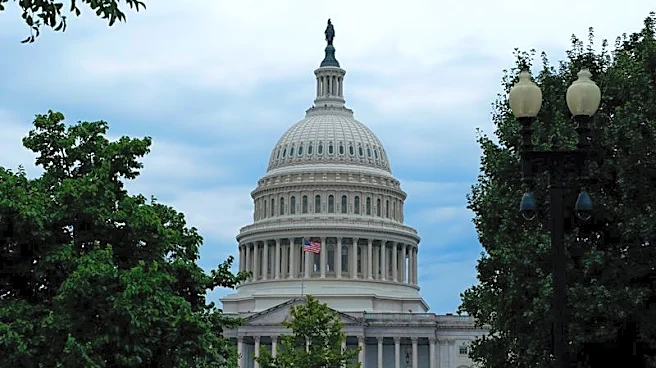
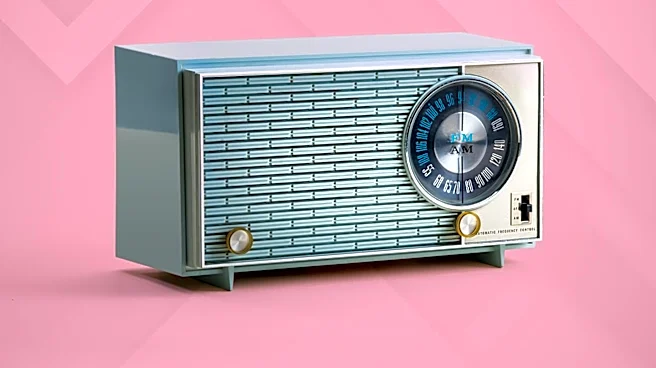
Nic Anderson, the Vice President of Public Policy for the National Religious Broadcasters (NRB), outlined the association's efforts to advance the AM Radio for Every Vehicle Act through the Senate during a public policy briefing at the NRB Summit in Washington.
The summit also featured Speaker Mike Johnson (R-LA) and FCC Commissioner Olivia Trusty. Speaker Johnson received the NRB's 2026 First Freedoms Award and spoke about the role of Christian broadcasting. Commissioner Trusty discussed modernizing broadcast regulations while preserving localism, viewpoint diversity, and First Amendment protections. The NRB previously filed comments in the FCC’s 2022 Quadrennial Review, supporting the elimination of AM ownership caps due to the band's technical, economic, and competitive challenges, while urging the FCC to maintain existing FM limits to prevent consolidation in a vibrant segment of radio. Senator James Lankford (R-OK) and Representative Keith Self (R-TX) also addressed federal legislative priorities and religious liberty.
Why It's Important?
The push for the AM Radio for Every Vehicle Act is significant for the broadcasting industry, particularly for AM radio stations which often serve as crucial sources of local news, emergency information, and diverse viewpoints, including religious programming. If passed, the act would mandate that new vehicles include AM radio, potentially safeguarding the future of many AM stations that face declining listenership due to its removal from some modern car models. This legislative effort highlights a broader concern about the preservation of traditional broadcast media in an increasingly digital landscape. For religious broadcasters, this is particularly vital as AM radio provides a platform for their content, reaching communities that might not have access to other forms of media. The debate also touches on regulatory policy, with the NRB advocating for changes that could impact market consolidation and the diversity of voices in broadcasting, affecting both consumers and media companies.
What's Next?
The immediate next step involves the NRB's continued efforts to lobby the Senate for the passage of the AM Radio for Every Vehicle Act. The association will likely engage with senators and their staff to highlight the importance of AM radio for public safety, local information, and diverse programming. Furthermore, the FCC will continue its 2022 Quadrennial Review, where the NRB's comments on AM ownership caps and the preservation of FM limits will be considered. Stakeholders, including automakers, other broadcasting associations, and consumer advocacy groups, will likely continue to voice their perspectives on these issues. The outcome of these legislative and regulatory processes will determine the future accessibility of AM radio in vehicles and could reshape the competitive landscape of the U.S. radio industry.
Beyond the Headlines
Beyond the immediate legislative and regulatory implications, the debate surrounding AM radio in vehicles touches on deeper societal issues, including media accessibility, technological evolution, and the role of traditional media in a crisis. The removal of AM radio from new cars raises questions about equitable access to information, especially for communities in rural areas or during emergencies when internet and cellular services may be disrupted. It also highlights the tension between technological advancement and the preservation of established communication channels. The NRB's advocacy underscores the cultural and ethical dimensions of broadcasting, emphasizing the importance of diverse viewpoints and religious freedom in media. The long-term shift could see a further decline in traditional radio's reach if legislative efforts fail, potentially accelerating the transition to digital audio platforms and altering how Americans consume news and information.