






What's Happening?
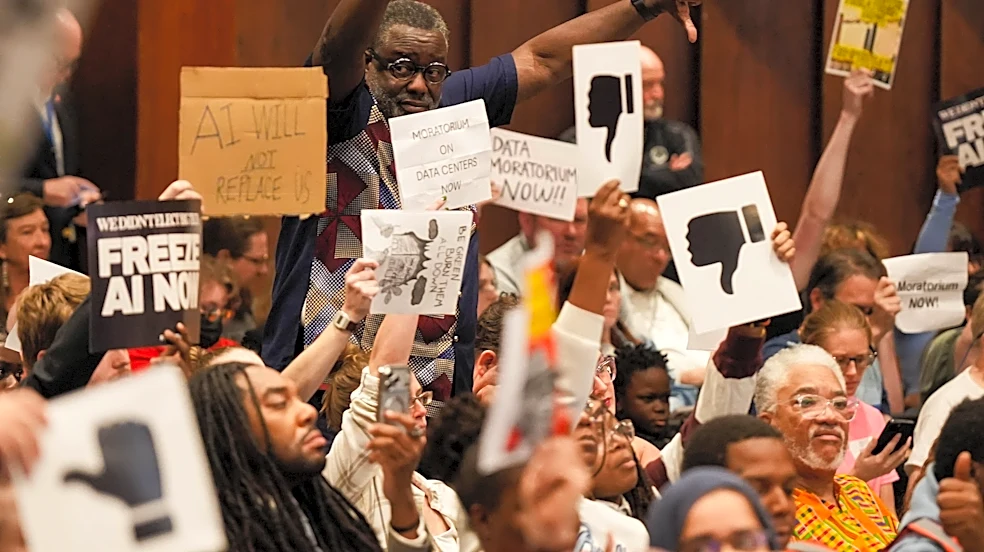
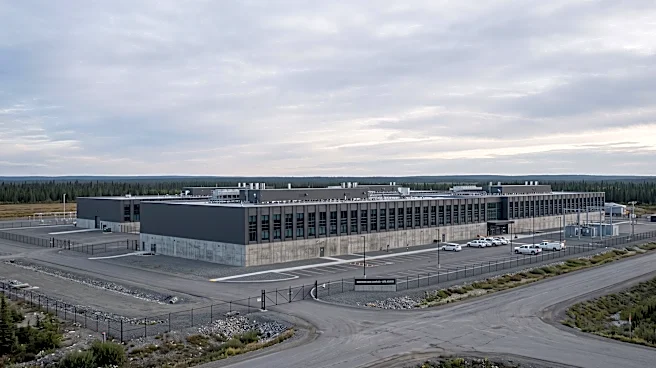
Fairbanks Borough Mayor Grier Hopkins has put forward a proposal for a temporary moratorium on the issuance of land use permits for the construction of large data centers within the borough. This initiative aims to pause the development of such facilities,
allowing for a period of review and assessment of their potential impacts. The proposal comes amidst growing discussions regarding the rapid expansion of data centers and their implications for local communities. While the specific reasons for the moratorium are not detailed in the provided information, such measures are often considered to address concerns related to resource consumption, infrastructure strain, and environmental effects. The temporary nature of the moratorium suggests an intent to gather more information and formulate comprehensive policies before further development proceeds.
Why It's Important?
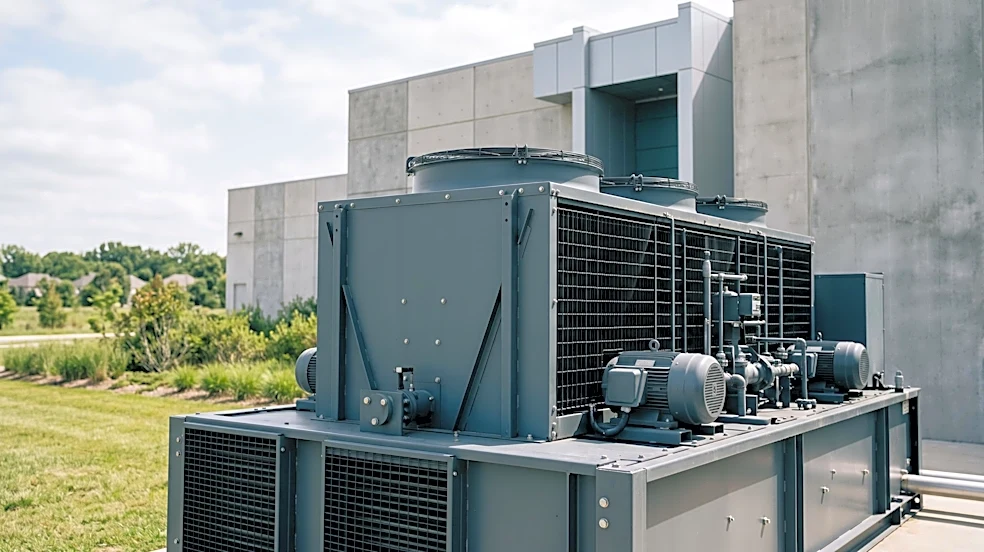
This proposed moratorium is significant for Fairbanks as it directly impacts the future economic development and land use policies of the borough. The establishment of large data centers can bring economic benefits, such as job creation and increased tax revenue, but also poses challenges, including high energy and water consumption, and potential strain on local infrastructure. For residents and businesses in Fairbanks, a moratorium could mean a temporary halt to certain types of technological investment, potentially affecting the local job market and the pace of digital infrastructure growth. It also signals a proactive approach by local government to evaluate the long-term sustainability and community fit of such large-scale industrial developments, rather than allowing unchecked expansion. The decision will likely influence how Fairbanks balances economic growth with environmental and community considerations.
What's Next?
The proposal for a temporary moratorium will likely undergo a review process by the Fairbanks Borough Assembly or relevant local government bodies. This process will involve public hearings, expert consultations, and discussions among borough officials to weigh the pros and cons of such a measure. Stakeholders, including technology companies, local businesses, environmental groups, and residents, are expected to voice their opinions on the matter. The outcome will determine whether the moratorium is enacted, modified, or rejected. If approved, the moratorium would temporarily halt new data center developments, providing time for the borough to develop more permanent regulations or guidelines for these facilities. If rejected, data center development could continue under existing regulations, potentially leading to further debate and community engagement on the issue.
Beyond the Headlines
The Fairbanks Borough's consideration of a data center moratorium reflects a broader national and global trend where communities are grappling with the implications of the digital economy's physical footprint. Data centers, while essential for modern digital life, are energy-intensive operations that can place significant demands on local power grids and water supplies. This move by Fairbanks could set a precedent for other smaller communities in the U.S. that are becoming attractive locations for data centers due to factors like cooler climates and available land. The ethical dimension involves balancing technological advancement and economic opportunity with environmental stewardship and community well-being. It highlights the evolving challenge for local governments to regulate industries that are rapidly changing and have complex impacts, often requiring new policy frameworks that did not exist previously.