


What's Happening?
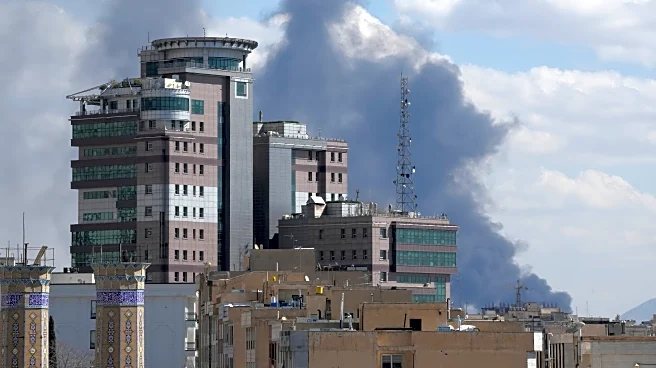
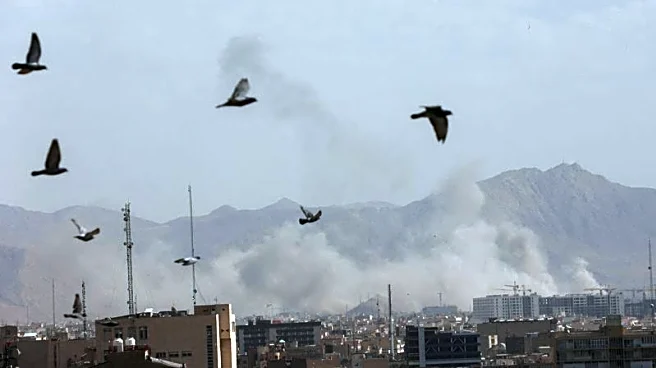
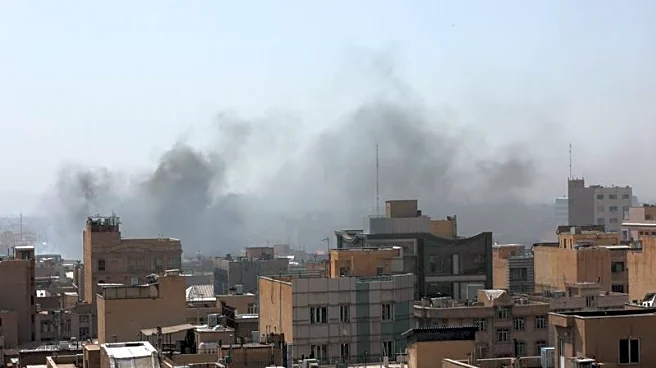
On the fourth day of the ongoing conflict, Israel's military has intensified its operations, conducting simultaneous targeted strikes against military targets in Tehran, Iran, and Beirut, Lebanon. These actions are part of a broader military strategy
by Israel in response to escalating tensions in the region. The strikes are reported to have targeted key military installations, aiming to weaken Iran's military capabilities. The conflict has drawn international attention, with various countries calling for de-escalation and a return to diplomatic negotiations.
Why It's Important?
The intensification of military actions in the Iran-Israel conflict has significant implications for regional stability and international relations. The conflict could potentially disrupt global oil markets, given Iran's role as a major oil producer, leading to economic repercussions worldwide. Additionally, the escalation poses a risk of drawing in other regional powers, potentially leading to a broader conflict. The situation underscores the fragile nature of Middle Eastern geopolitics and the challenges of maintaining peace in a region with longstanding historical tensions.
What's Next?
The international community is likely to increase diplomatic efforts to mediate and de-escalate the conflict. Countries with vested interests in the region may engage in back-channel negotiations to prevent further escalation. The United Nations and other international organizations might call for ceasefire agreements and initiate peace talks. Meanwhile, military analysts will closely monitor the situation for any signs of further escalation or potential involvement of additional regional actors.