




What's Happening?
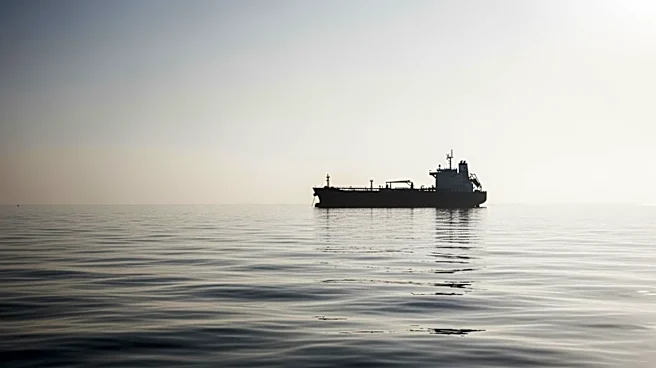
A significant increase in oil transport through Danish waters has been observed, with nearly five million barrels passing daily, according to Danish Shipping Companies. This surge, noted between 2021 and 2025, is attributed to international sanctions
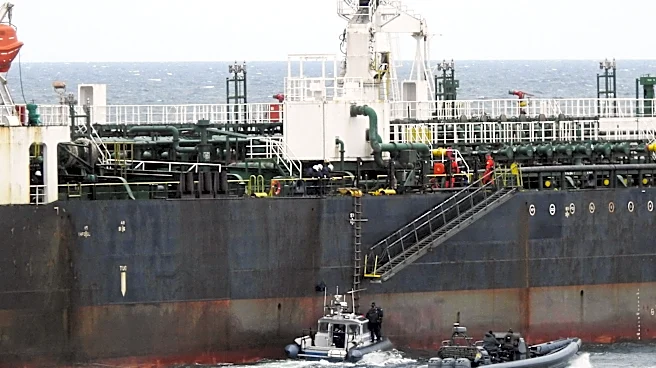
on Russia following its invasion of Ukraine. These sanctions have redirected a substantial portion of Russian oil exports through the Baltic Sea. Consequently, countries like Germany and Poland have increased their imports of Norwegian and American oil, contributing to the heightened traffic in the Great Belt and the Sound. The analysis highlights concerns over the use of 'shadow fleet' ships, which are often in poor condition and lack reliable insurance, raising fears of potential oil disasters in Danish waters.
Why It's Important?
The increase in oil transport through Danish waters underscores the broader geopolitical and economic impacts of the sanctions on Russia. The redirection of oil routes affects global oil supply chains and highlights vulnerabilities in maritime environmental preparedness. The reliance on potentially unsafe vessels poses environmental risks, emphasizing the need for enhanced marine safety measures. This situation also reflects the shifting dynamics in global oil trade, with European countries seeking alternative sources to Russian oil, thereby impacting international relations and economic policies. The potential for an oil disaster in Danish waters could have severe environmental and economic consequences, necessitating urgent attention from policymakers.
What's Next?
The Danish government may need to prioritize strengthening marine environmental preparedness to mitigate the risks associated with increased oil transport. This could involve collaboration with shipping companies to enhance safety protocols and ensure the readiness of response teams. Additionally, the ongoing geopolitical tensions and sanctions could lead to further shifts in global oil trade patterns, requiring continuous monitoring and adaptation by affected countries. Stakeholders, including environmental groups and maritime authorities, are likely to advocate for stricter regulations and improved infrastructure to prevent potential disasters.
Beyond the Headlines
The situation highlights the complex interplay between geopolitics and environmental safety. The use of 'shadow fleet' ships raises ethical and legal questions about accountability and transparency in global shipping practices. The increased oil traffic through Danish waters also reflects broader trends in energy security and the global transition towards more sustainable energy sources. As countries navigate these challenges, the need for international cooperation and robust regulatory frameworks becomes increasingly apparent.