






What's Happening?
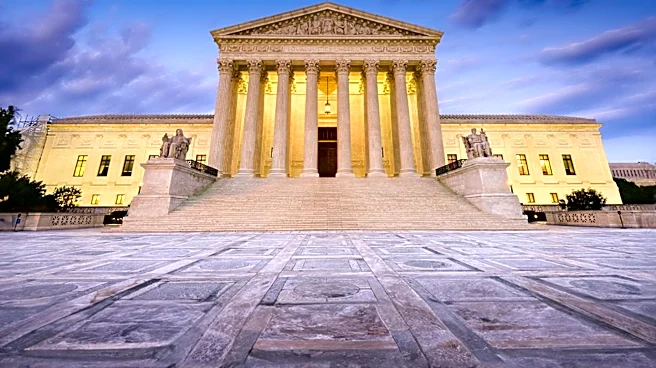
The Supreme Court is set to hear *Wassily v. Blanche* this term, a significant case that will determine whether asylum beneficiaries whose asylum status has been terminated are still eligible to obtain lawful permanent residency. The legal dispute stems
from ambiguous language in the Refugee Act of 1980, which clearly outlined requirements for refugees processed outside the U.S. but left internal asylum procedures less defined regarding termination. This lack of clarity has led to a division among federal courts. The case involves Tamer Wassily, who was granted asylum in 2000 but later had his status terminated due to a stalking and child endangerment conviction. An immigration judge initially found him eligible for a green card despite the termination, citing no explicit statutory requirement for current asylum status. Conversely, Byron Velasquez Arreaga, another asylee whose status was terminated for serious crimes, was deemed ineligible for a green card by a different immigration judge and ordered removed. The Board of Immigration Appeals (BIA) and the U.S. Court of Appeals for the 2nd Circuit, in a majority view, concluded that only noncitizens with current asylum status are eligible for permanent residency, interpreting "granted asylum" to mean current status. A dissenting view argued that "any alien granted asylum" should include those whose status was previously granted, regardless of termination.
Why It's Important?
The Supreme Court's decision in *Wassily v. Blanche* holds considerable importance for U.S. immigration policy and potentially millions of asylum applicants. The ruling will clarify a critical statutory ambiguity that has divided federal courts and directly impacts the pathway to permanent residency for individuals whose asylum status has been terminated. This issue has gained particular urgency due to policy changes implemented by the President Trump administration, which increased the risk of asylum status termination for many immigrants. A decision affirming the need for current asylum status could significantly restrict access to green cards for a vulnerable population, potentially leading to more deportations. Conversely, a ruling that allows terminated asylees to pursue permanent residency could offer a lifeline to many. Beyond immigration, the case also has implications for federal administrative law, particularly in light of the Supreme Court's 2024 decision in *Loper Bright v. Raimondo*, which eliminated *Chevron* deference. The Court's approach to interpreting statutory ambiguity in this case could further shape the relationship between judicial review and agency interpretations, affecting how future immigration and other federal regulations are challenged and upheld.
What's Next?
The Supreme Court's decision in *Wassily v. Blanche* is the immediate next step, which will provide definitive guidance on whether terminated asylees can adjust to permanent residency. This ruling will directly impact the interests of millions of asylum applicants with pending cases and those recently granted asylum status. Depending on the outcome, the Department of Homeland Security (DHS) may need to adjust its policies and procedures regarding asylum terminations and green card applications. The government is currently challenging a federal district court ruling from June 2026 that vacated a DHS policy to "comprehensively re-review" asylum approvals from "high-risk" countries since 2021. The Supreme Court's decision in *Wassily* could influence the legal landscape surrounding this challenge and future DHS actions. Furthermore, the Court's engagement with arguments concerning the rule of lenity and the implications of *Loper Bright* could signal broader shifts in how it approaches statutory interpretation and the deference given to federal agencies, potentially affecting a wide range of administrative law cases beyond immigration.
Beyond the Headlines
The *Wassily v. Blanche* case delves into the complex interplay between humanitarian protection, national security, and the rule of law in the U.S. immigration system. The ambiguity in the Refugee Act of 1980 highlights the challenges of crafting legislation that remains relevant and clear over decades, especially as societal contexts and policy priorities evolve. The differing outcomes for Wassily and Velasquez Arreaga, despite similar circumstances of terminated asylum status, underscore the inconsistencies that can arise from statutory vagueness and varying judicial interpretations, leading to unequal application of the law. This case also brings to the forefront the ethical considerations of revoking a pathway to stability for individuals who initially sought refuge, particularly when their status is terminated due to subsequent criminal convictions. The Supreme Court's ruling will not only resolve a legal question but also send a powerful message about the U.S.'s commitment to its asylum system and the rights of those seeking protection within its borders, potentially influencing international perceptions of U.S. immigration policy.