





What's Happening?
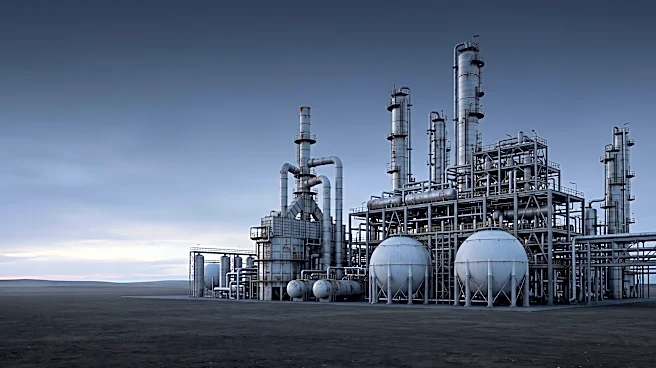
A coalition of 39 Democratic lawmakers, led by Rep. Jared Huffman (D-Calif.) and Sen. Michael Bennet (D-Colo.), is calling on the Trump administration to reverse its proposal to rescind two significant oil and gas regulatory rules. These rules, established
by the Bureau of Land Management (BLM) in 2024, pertain to the Fluid Mineral Leases and Leasing Process and Waste Prevention, Production Subject to Royalties, and Resource Conservation. The lawmakers argue that overturning these protections would lead to increased pollution, reduce public oversight of land management decisions, and transfer financial cleanup responsibilities to taxpayers. They specifically challenged the BLM's proposal to roll back requirements that prioritize input from local communities, states, and Tribal nations in the 2024 Onshore Leasing Rule. The group contends that the original rule corrected imbalances that favored oil and gas development over other land uses like recreation and conservation, and helped address the issue of abandoned wells, which often burden taxpayers. A second letter from the group also opposed the proposed rescission of the 2024 Waste Prevention Rule, stating it would increase pollution, waste natural gas resources, and decrease potential public revenue.
Why It's Important?
The potential rescission of these oil and gas regulatory rules carries significant implications for environmental protection, public land management, and taxpayer burden across the United States. If the Trump administration proceeds with the rollback, it could lead to a substantial increase in pollution from oil and gas operations, impacting air and water quality in affected regions. Furthermore, the shift of financial cleanup liabilities for abandoned wells from industry to taxpayers could result in considerable public expenditure, diverting funds from other essential services. The proposed changes also risk diminishing the influence of local communities, states, and Tribal nations in decisions regarding public lands, potentially leading to development that does not align with local interests or conservation goals. This move could also exacerbate the issue of natural gas waste, reducing potential revenue for the public from these resources. The debate highlights a fundamental tension between energy development and environmental stewardship, with potential long-term consequences for the health of ecosystems and the financial well-being of American citizens.
What's Next?
The Bureau of Land Management (BLM) has not yet issued a formal response to the letters from the Democratic lawmakers. The agency's review process regarding the potential rescission of the 2024 Fluid Mineral Leases and Leasing Process rule and the 2024 Waste Prevention, Production Subject to Royalties, and Resource Conservation rule remains ongoing. Stakeholders, including environmental groups, industry representatives, and affected communities, will likely continue to monitor the BLM's decision-making process closely. Depending on the administration's final decision, further legislative action or legal challenges could emerge. Lawmakers may explore avenues to codify these protections into law or introduce new legislation to address the concerns raised. Environmental organizations might initiate lawsuits to prevent the rollback, arguing that it violates existing environmental statutes or public trust principles. Conversely, industry groups that support the rescission will likely advocate for the administration to proceed, citing potential economic benefits and reduced regulatory burdens. The outcome will set a precedent for future environmental and energy policy under the Trump administration.
Beyond the Headlines
The controversy surrounding the potential rescission of these oil and gas regulatory rules extends beyond immediate environmental and economic impacts, touching upon deeper questions of governance, intergenerational equity, and the balance of power in federal land management. The debate underscores a recurring tension in U.S. policy between resource extraction and conservation, reflecting differing philosophies on the purpose and management of public lands. The argument that taxpayers might bear the financial burden of cleaning up abandoned wells highlights a systemic issue of accountability within the energy sector and raises ethical questions about who profits from resource exploitation and who pays for its environmental consequences. Furthermore, the emphasis on prioritizing input from local communities and Tribal nations speaks to broader issues of environmental justice and self-determination, suggesting that decisions made at the federal level can disproportionately affect marginalized groups. The long-term implications could include a redefinition of federal land management priorities, potentially shifting towards a more industry-friendly approach or, conversely, galvanizing stronger public and legislative efforts to protect natural resources and ensure corporate accountability.