


What's Happening?
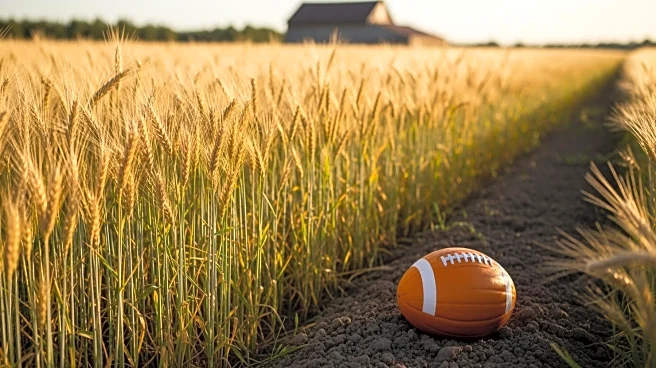
The Super Bowl, one of the most-watched sporting events in the U.S., highlights the significant role of agriculture in its celebration. The American Farm Bureau Federation emphasizes that the food consumed during the event, such as pizza, chicken wings,
and beer, is a direct result of the hard work of farmers and ranchers. The event is not only a sports spectacle but also a massive economic driver, with Americans spending billions on food and beverages, much of which is sourced from U.S. farms.
Why It's Important?
The Super Bowl serves as a reminder of the interconnectedness of agriculture and major cultural events. The economic impact of the event extends beyond the stadium, benefiting farmers and the agricultural supply chain. This highlights the importance of supporting local agriculture and recognizing the contributions of farmers to national traditions. The event also underscores the need for sustainable farming practices to ensure the continued availability of food resources for such large-scale events.
What's Next?
As the demand for food and beverages during major events like the Super Bowl continues to grow, there may be increased focus on sustainable agricultural practices to meet this demand. Farmers and industry stakeholders might explore innovative farming techniques and technologies to enhance productivity while minimizing environmental impact. Additionally, there could be efforts to raise consumer awareness about the origins of their food and the importance of supporting local agriculture.
Beyond the Headlines
The Super Bowl's reliance on agriculture also raises questions about food security and the resilience of supply chains. As climate change and other factors threaten agricultural productivity, ensuring a stable and sustainable food supply for such events becomes increasingly important. This may lead to policy discussions on agricultural subsidies, trade agreements, and investment in agricultural research and development.