


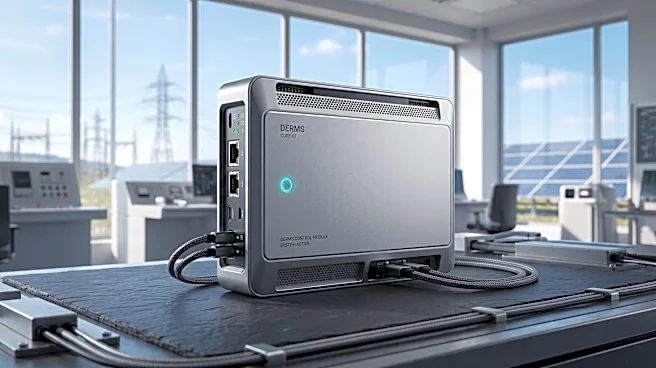
What's Happening?
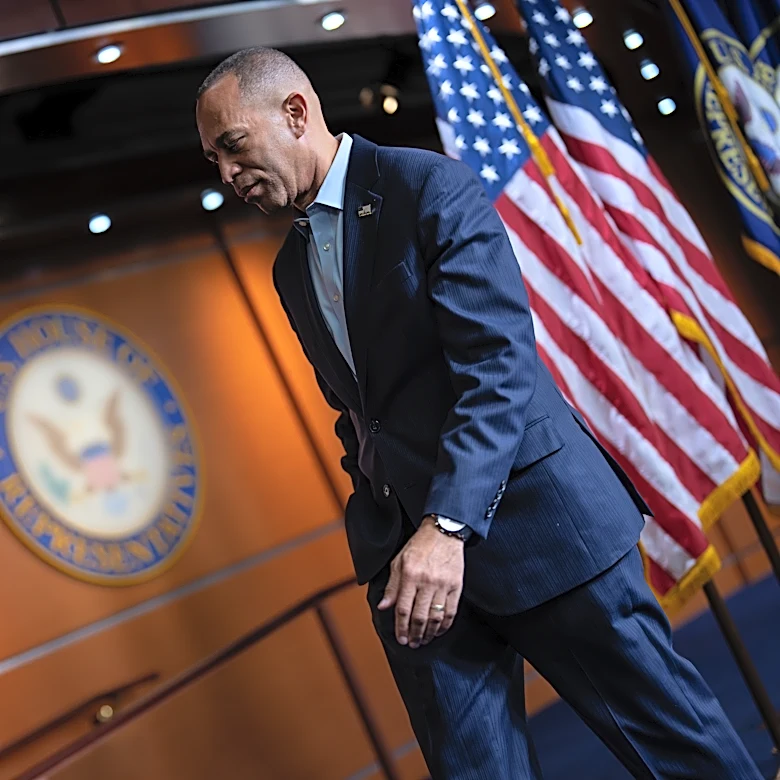
The New Jersey Board of Public Utilities (BPU) has unanimously approved the virtual power plant (VPP) program to advance into its next phase of development. This approval follows Governor Sherrill's Executive Order No. 2, signed on her first day in office
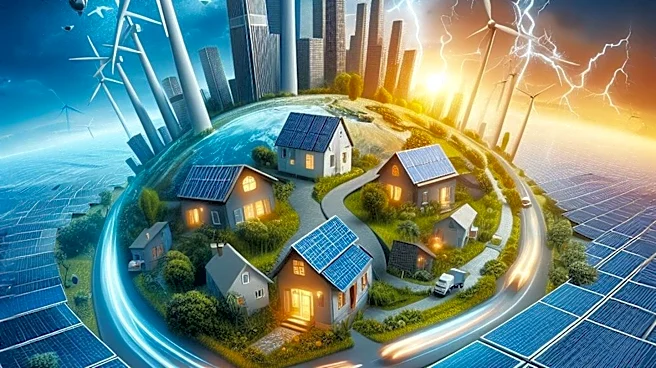
in January 2026, which declared a statewide energy emergency and directed the BPU to initiate a VPP program. Virtual power plants utilize software to coordinate energy supply from various distributed energy resources, such as home batteries, smart thermostats, electric vehicles, and rooftop solar systems, to meet overall energy demand. The program aims to contribute to the state's broader energy goals, which include reducing peak energy use by 3 percent and establishing 2,000 megawatts of new energy storage capacity by 2030 through remote management of electric draws during peak usage hours.
Why It's Important?
The approval of the VPP program marks a significant step in New Jersey's efforts to modernize its energy infrastructure and enhance grid reliability. By aggregating and optimizing distributed energy resources, VPPs can provide a flexible and responsive solution to energy demand fluctuations, particularly during peak periods. This initiative is crucial for achieving the state's ambitious clean energy targets and reducing its reliance on traditional, often fossil fuel-based, power plants. The program stands to benefit consumers through potential energy cost savings and increased energy resilience, while also creating opportunities for technology providers and energy service companies. It represents a strategic investment in smart grid technologies that can help New Jersey navigate future energy challenges and transition towards a more sustainable energy future.
What's Next?
With BPU approval, the virtual power plant program will now proceed into its next phase of development, which will likely involve detailed planning, pilot projects, and the establishment of regulatory frameworks for its implementation. This phase will focus on integrating various energy technologies and engaging with utilities, technology providers, and consumers to build out the necessary infrastructure and participation models. The state will work towards achieving its goals of reducing peak energy use by 3 percent and deploying 2,000 megawatts of new energy storage capacity by 2030. Further announcements regarding program specifics, timelines, and opportunities for stakeholder involvement are anticipated as the development progresses.
Beyond the Headlines
The adoption of virtual power plants signifies a fundamental shift in how energy is managed and consumed, moving away from a centralized model towards a more distributed and intelligent grid. This technological evolution has broader implications for energy policy, market design, and consumer engagement. It challenges traditional utility business models and opens avenues for greater consumer participation in energy management, potentially empowering individuals to become active contributors to the energy supply. Furthermore, the VPP program could serve as a model for other states looking to integrate renewable energy sources more effectively and enhance grid stability, contributing to a national trend towards decentralized and sustainable energy systems. The ethical considerations around data privacy and control of smart home devices will also become increasingly relevant as these systems become more widespread.