







What's Happening?
The village of Homer Glen has approved an agreement to limit the use of data collected from license plate reader cameras to address privacy concerns among residents. The Village Board voted 5-1 to store data for only seven days, significantly less than
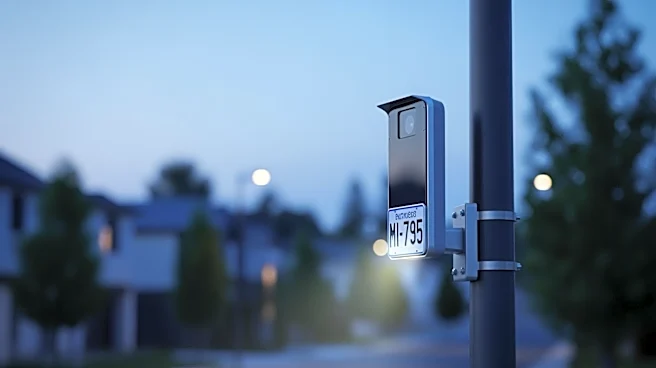
the typical 30 to 90 days in other communities. This decision follows concerns that longer data retention resembles 'Big Brother' surveillance. The agreement, made with the Will County sheriff's office, restricts data sharing to within Illinois and allows exceptions for criminal investigations or court orders. The cameras, installed at key access points, are intended to deter crime and locate missing persons, not to issue traffic tickets. Trustee Mike Lepore opposed the agreement, citing government overreach, and residents had previously voted against the cameras in a 2023 advisory referendum.
Why It's Important?
This decision reflects a growing tension between public safety measures and privacy rights. By limiting data retention and sharing, Homer Glen aims to balance crime prevention with residents' privacy concerns. The move could set a precedent for other communities grappling with similar issues, highlighting the need for transparent policies that protect civil liberties while utilizing technology for public safety. The decision may influence future debates on surveillance technology and privacy, impacting how local governments implement such systems. Stakeholders, including privacy advocates and law enforcement, will closely watch the outcomes of this policy to assess its effectiveness and public reception.
What's Next?
Homer Glen will monitor the implementation of this policy to ensure it meets both safety and privacy objectives. The village may face ongoing scrutiny from residents and privacy advocates, potentially leading to further adjustments in policy. The effectiveness of the seven-day data retention period in aiding law enforcement without infringing on privacy will be evaluated. Additionally, the village's decision could prompt other municipalities to reconsider their surveillance policies, potentially leading to broader legislative discussions on the balance between security and privacy.