




What's Happening?
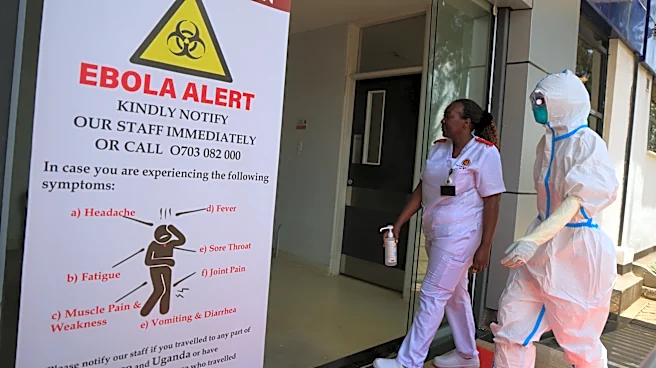
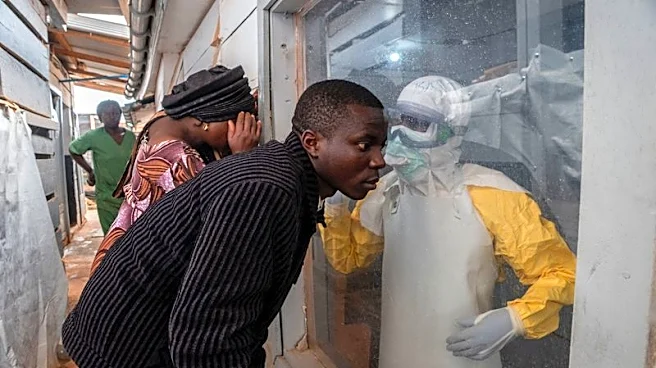
Kenya has effectively contained its initial cases of Bundibugyo virus disease (BVD), a strain of Ebola, which were imported from the Democratic Republic of Congo (DRC). Health authorities swiftly traced 135 contacts of the initial case, placing them in quarantine
and successfully limiting all nine infections to a single known cluster. As of November 2, 2026, Kenya reported no community transmission, with seven of the nine infected individuals responding well to treatment, though two unfortunately succumbed to the disease. Dr. Mercy Korir, Founder and CEO of Willow Health Media, credited Kenya's success to rapid contact tracing, close monitoring, and strong community cooperation. This containment stands in contrast to the ongoing severe outbreak in the DRC, which has seen over 10,000 infections and 5,000 deaths.
Why It's Important?
Kenya's experience provides a critical model for managing imported infectious disease cases, particularly in regions with high cross-border mobility. The emphasis on early contact identification, dignified patient care, and building community trust proved instrumental in preventing wider transmission. This approach highlights that effective public health responses extend beyond medical interventions to include social and behavioral factors. The success in Kenya, despite the lack of an approved vaccine for Bundibugyo, underscores the importance of robust surveillance systems and rapid response mechanisms. It also serves as a testament to the potential for countries to protect their populations from severe outbreaks when preparedness and community engagement are prioritized, offering valuable lessons for global health security.
What's Next?
Despite the successful containment of the initial cluster, Kenya remains at risk due to constant movement of people across its borders with Uganda and the DRC. Health authorities must maintain high vigilance, ensuring prompt identification, testing, and treatment of suspected cases. Dr. Korir stressed the ongoing need for communities to cooperate by disclosing contacts, as concealed contacts can lead to undetected transmission. The importance of dignified care in treatment and quarantine centers is also paramount to encourage compliance and prevent people from avoiding official health services. Furthermore, the global health community continues to work on vaccine development for Bundibugyo, with trials underway, but effective delivery and community acceptance will be crucial for their impact.
Beyond the Headlines
Kenya's containment success highlights the profound impact of public trust and transparent communication during health crises. The ability to secure community cooperation for contact tracing and quarantine is often undermined by fear, stigma, and misinformation. By prioritizing dignified care and accurate information, Kenya fostered an environment where individuals were more likely to engage with health authorities. This approach contrasts sharply with situations where lack of trust leads to hidden cases and accelerated spread, as seen in parts of the DRC. The lessons from Kenya underscore that public health is not merely a medical endeavor but a social one, requiring deep understanding of local contexts and a commitment to ethical engagement to achieve sustainable outcomes.