






What's Happening?
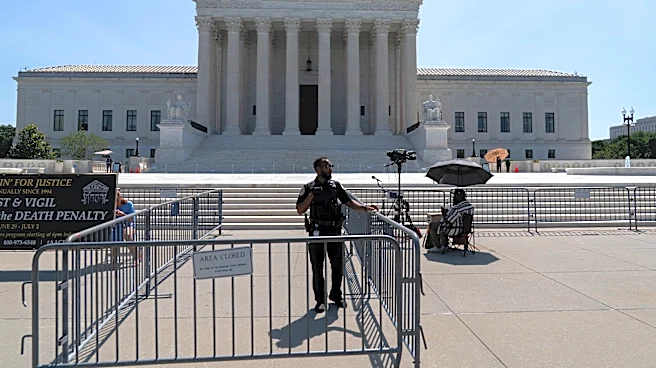
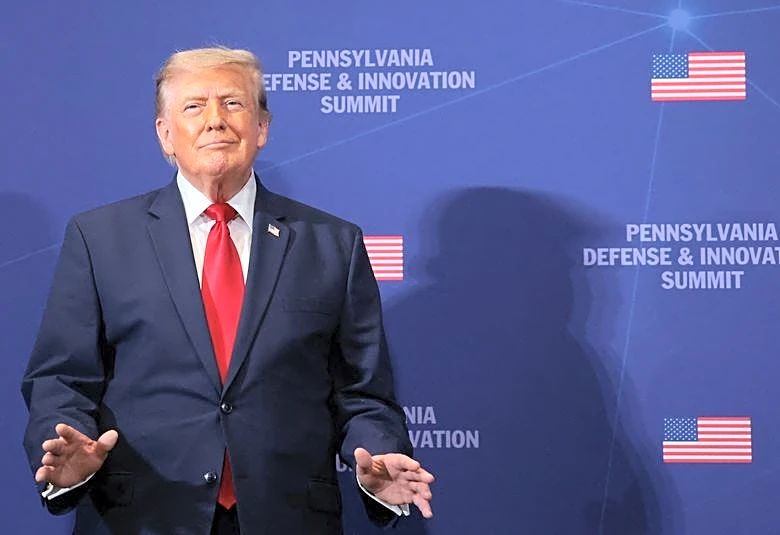
The Supreme Court has ruled in favor of President Trump in the case of Trump v Slaughter, effectively granting the president greater authority to fire members of independent federal agencies. This decision overturns a longstanding precedent set by the 1935
Humphrey's Executor ruling, which limited presidential power over such agencies. The ruling was based on the firing of Rebecca Slaughter, a Democratic member of the Federal Trade Commission (FTC), by President Trump. Slaughter and other affected officials have expressed concern over the implications of this decision, fearing it could lead to increased politicization and corruption within federal agencies.
Why It's Important?
The Supreme Court's decision marks a significant shift in the balance of power between the executive branch and independent federal agencies. By expanding presidential authority, the ruling could lead to increased political influence over agencies that are meant to operate independently. This has raised concerns about the potential for corruption and manipulation, as well as the erosion of protections for civil service employees. The decision may also impact future administrations, as the precedent set could be used to justify similar actions by future presidents, potentially altering the functioning of federal agencies and their role in governance.
What's Next?
Following the ruling, there may be legislative efforts to address the concerns raised by the decision and to restore some level of independence to federal agencies. Congress could consider measures to limit presidential power over agency appointments and terminations. Additionally, the ruling may prompt further legal challenges and debates over the scope of executive authority. Stakeholders, including civil service employees and advocacy groups, are likely to push for reforms to protect the integrity and independence of federal agencies.