



What's Happening?
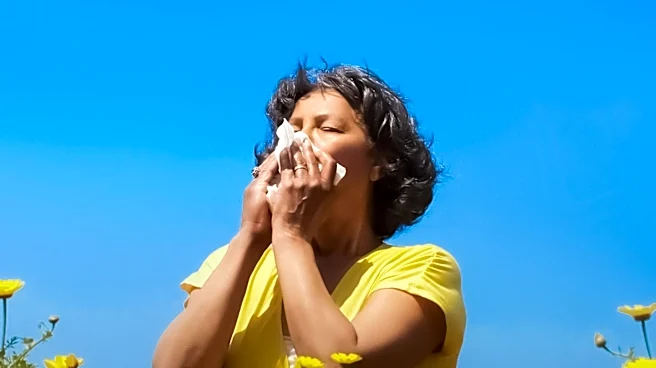
In Philadelphia, the allergy season is starting earlier than usual, attributed to warmer temperatures. This shift is causing fluctuations in allergy symptoms, as reported by local doctors. The alternating warm and cool temperatures are contributing to this
phenomenon, leading to increased pollen levels and extended allergy seasons. This change is part of a broader pattern of climate-related impacts affecting various regions, including the American West, where similar temperature fluctuations are causing environmental challenges.
Why It's Important?
The early onset of allergy season in Philadelphia highlights the broader implications of climate change on public health. Warmer temperatures can lead to longer and more intense allergy seasons, affecting millions of people who suffer from allergies. This can result in increased healthcare costs and a greater burden on medical facilities. Additionally, the fluctuating temperatures can exacerbate respiratory issues, impacting vulnerable populations such as children and the elderly. The situation underscores the need for adaptive strategies in healthcare and urban planning to mitigate the effects of climate change.
What's Next?
As climate change continues to influence weather patterns, cities like Philadelphia may need to implement measures to address the health impacts of longer allergy seasons. This could include increased public health awareness campaigns, improved air quality monitoring, and the development of urban green spaces to help manage pollen levels. Policymakers and healthcare providers may also need to collaborate on strategies to support individuals with allergies, ensuring they have access to necessary treatments and resources.
Beyond the Headlines
The early allergy season in Philadelphia is a microcosm of the broader environmental changes driven by global warming. It raises questions about the long-term sustainability of current urban infrastructure and healthcare systems in the face of climate change. The situation also highlights the interconnectedness of environmental and public health issues, emphasizing the need for comprehensive policies that address both climate adaptation and mitigation.