
What's Happening?
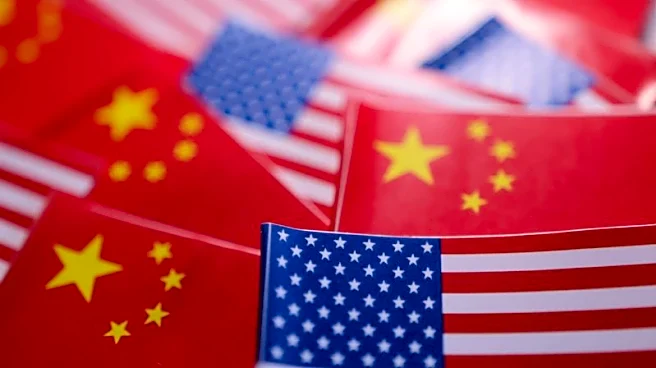
The United States is at a critical juncture in its relationship with China, as tensions escalate in the Indo-Pacific region. Recent incidents, such as a Chinese military aircraft targeting Japanese fighter
jets, highlight the growing geopolitical challenges. The Trump administration's decision to allow NVIDIA to sell advanced AI chips to China has sparked concerns about bolstering China's military capabilities. This move comes amid allegations of Chinese nationals smuggling biological pathogens into the U.S. for research, raising fears of biosecurity threats. The U.S. is urged to adopt a comprehensive strategy to contain China's influence, focusing on strengthening alliances with countries like Japan, South Korea, and Taiwan.
Why It's Important?
The developments underscore the strategic importance of the U.S. response to China's actions. Allowing the sale of advanced technology to China could undermine U.S. military and surveillance advantages, potentially shifting the balance of power. The incidents of biological smuggling and military provocations reflect China's broader strategy to challenge U.S. influence and reshape regional dynamics. Strengthening alliances and enhancing military cooperation with Indo-Pacific nations are crucial to maintaining stability and deterring aggression. The U.S. must navigate these challenges carefully to protect its interests and uphold international security.
What's Next?
The U.S. is expected to intensify diplomatic and military efforts to counter China's influence. This includes expanding intelligence sharing and joint military exercises with allies. The administration may face pressure to reconsider export controls on sensitive technologies to prevent strategic advantages from being compromised. As tensions continue to rise, the U.S. will need to balance engagement with China while ensuring robust defense measures. The outcome of these efforts will significantly impact regional stability and the global geopolitical landscape.
Beyond the Headlines
The situation highlights the ethical and security implications of technology transfers and international research collaborations. The potential misuse of biological research underscores the need for stringent oversight and international cooperation to prevent biosecurity threats. The geopolitical rivalry with China also raises questions about the future of global trade and economic integration. As the U.S. navigates these complex issues, it must consider the long-term implications for its strategic alliances and global leadership role.