



What's Happening?
President Donald Trump has criticized the UK government's decision to ban new oil and gas field licenses in the North Sea. He urged the UK to 'drill, baby, drill' to capitalize on its advantageous position for energy production. Trump's comments come
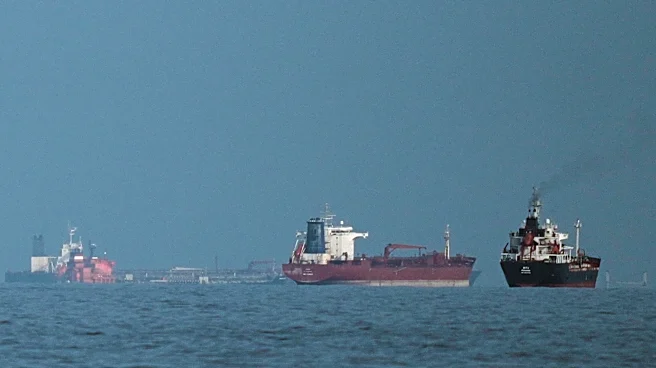
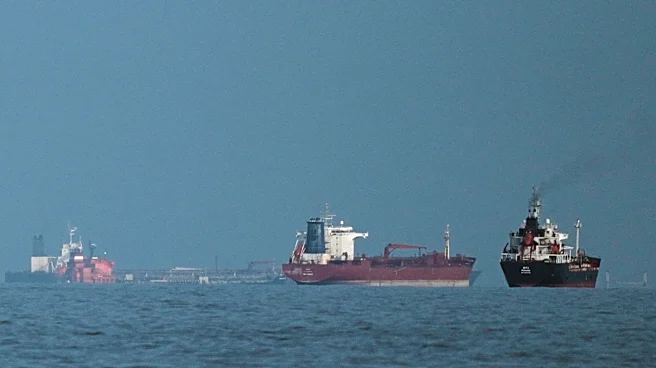
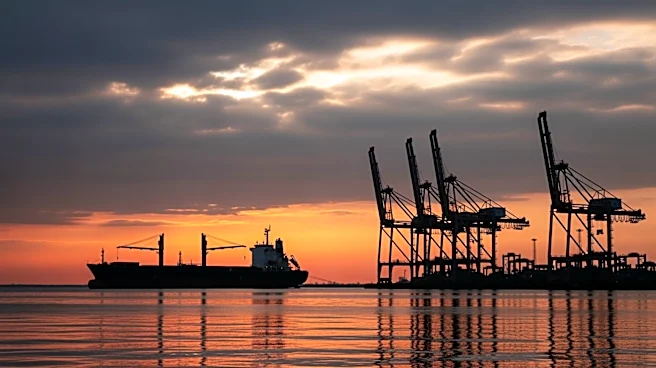
as oil and gas prices have surged due to the ongoing U.S.-Israel war with Iran, which has led to a significant oil supply shock. The International Energy Agency has described this as the 'most severe oil supply shock in history.' The energy crisis is expected to impact the UK more severely than other advanced economies, with the IMF reducing its growth forecast for the UK to 0.8% this year.
Why It's Important?
Trump's call for increased oil production in the UK highlights the geopolitical and economic tensions surrounding energy supply. The closure of the Strait of Hormuz has exacerbated global energy shortages, affecting oil prices and economic forecasts. The UK, facing a potential economic downturn, could benefit from increased domestic energy production. Trump's comments also reflect broader debates on energy policy, particularly the balance between fossil fuel reliance and renewable energy investments. The UK's decision to ban new licenses is part of a larger strategy to reduce fossil fuel dependency, but Trump's criticism underscores the immediate economic pressures that may challenge such policies.
What's Next?
The UK government may face pressure to reconsider its energy policies in light of Trump's comments and the ongoing energy crisis. Political leaders and industry stakeholders will likely debate the merits of expanding North Sea oil production versus investing in renewable energy sources. The situation could lead to diplomatic discussions between the US and UK regarding energy cooperation and policy alignment. Additionally, the global energy market will continue to monitor developments in the Middle East, as any changes could further impact oil prices and supply chains.