



What's Happening?
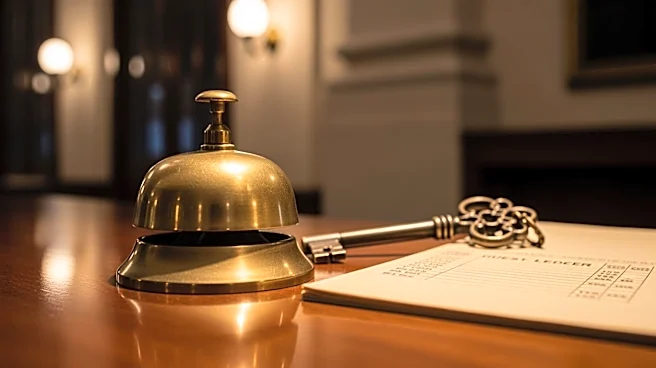
As part of the America 250 project, Boise State Public Radio delves into the history of the Owyhee Hotel, a landmark in Boise, Idaho. The hotel, which opened in 1910, played a significant role in the city's transformation from a quiet town to a bustling
city. The name 'Owyhee' was chosen through a public contest and has historical ties to Native Hawaiians who worked in the Northwest fur trade. The hotel also has a notable civil rights history, having accommodated Marian Anderson, a renowned contralto, during a time of racial segregation. The Owyhee Hotel's legacy continues to be celebrated as part of Boise's rich cultural heritage.
Why It's Important?
The exploration of the Owyhee Hotel's history is part of a broader effort to commemorate America's 250th anniversary by highlighting local histories that contribute to the national narrative. This initiative fosters a deeper understanding of Boise's cultural and historical landscape, emphasizing the city's evolution and its role in broader social movements, such as civil rights. By preserving and sharing these stories, the project aims to strengthen community identity and pride, while also educating the public about the diverse experiences that have shaped the nation.
Beyond the Headlines
The Owyhee Hotel's story offers insights into the complexities of American history, including the intersections of race, culture, and community development. The hotel's connection to Native Hawaiians and its role in civil rights history reflect broader themes of migration, identity, and social justice. These narratives challenge us to consider how historical events and decisions continue to influence contemporary society. The preservation of such stories is crucial for fostering an inclusive historical record that acknowledges the contributions and struggles of diverse groups.