




What's Happening?
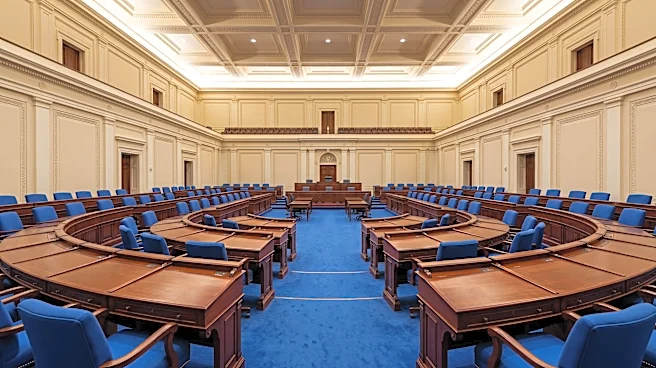
The U.S. Senate has unanimously passed two significant bipartisan bills before adjourning until after the November election. The first bill addresses cybersecurity in hospitals, co-sponsored by Senator Mark Warner (D-Va.) and Senator Bill Cassidy (R-LA.).
This legislation aims to establish minimum cyber standards for healthcare providers and allocate grants and training to enhance their defense against cyberattacks. Senator Warner emphasized the lack of such standards in healthcare for years. The second bill focuses on food safety, co-sponsored by Senator Tim Kaine (D-Va.) and two Republican senators. If enacted, this bill would enable the FDA to share outbreak information with state and local health officials and authorize the destruction of unsafe imported food. Senator Kaine noted that the FDA remains understaffed, particularly in food inspection, with fewer inspectors than in 2005 despite national growth and increased food challenges. Both bills now proceed to the House of Representatives.
Why It's Important?
These bills are crucial for national security and public health. The hospital cybersecurity bill addresses a critical vulnerability in the U.S. healthcare system. Cyberattacks on hospitals can disrupt patient care, compromise sensitive medical data, and even endanger lives, as seen in recent incidents. Establishing minimum cyber standards and providing resources for defense will protect patient information, maintain operational continuity, and safeguard essential healthcare services. The food safety bill is equally vital, as it aims to prevent foodborne illnesses and ensure the safety of the food supply. By improving information sharing and granting the FDA authority to destroy unsafe imported food, the legislation can reduce public health risks and enhance consumer confidence in food products. Senator Kaine's concerns about FDA understaffing highlight the ongoing need for robust regulatory oversight to protect the public from contaminated food.
What's Next?
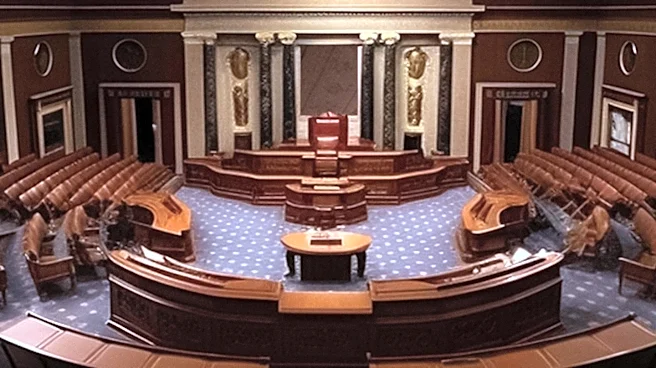
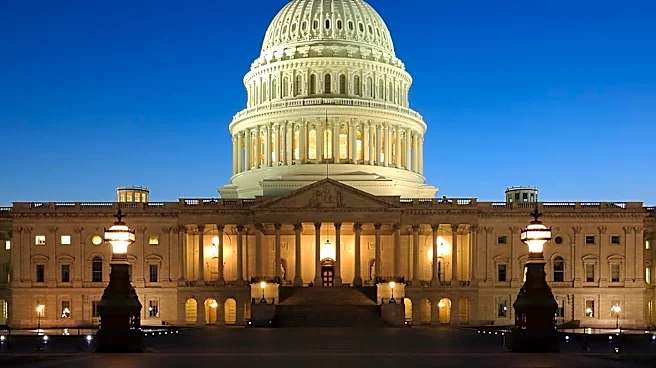
Both bills will now move to the House of Representatives for consideration. Given their unanimous passage in the Senate and bipartisan support, there is a strong likelihood of their advancement in the House, though the exact timeline is uncertain as the House is also adjourned until after the November election. If passed by the House, the bills would then be sent to the President for signature to become law. Should they be enacted, the federal government would begin the process of establishing and implementing minimum cyber standards for healthcare providers, along with distributing grants and training. For food safety, the FDA would gain new authorities to share information and destroy unsafe imports, potentially leading to changes in food inspection protocols and increased scrutiny of imported goods. The legislative process will determine the final form and impact of these critical measures.
Beyond the Headlines
The passage of these bills reflects a growing recognition of interconnected vulnerabilities in modern society, from digital infrastructure to global supply chains. The cybersecurity bill underscores the evolving nature of national security threats, where digital attacks can be as damaging as physical ones, particularly in critical sectors like healthcare. It also highlights the need for continuous adaptation of regulatory frameworks to keep pace with technological advancements and emerging threats. The food safety bill, on the other hand, points to the complexities of a globalized food system and the challenges of ensuring safety across international borders. Senator Kaine's comments about FDA staffing levels suggest a broader issue of resource allocation for regulatory bodies, which could have long-term implications for public trust and the government's ability to protect its citizens effectively. These legislative efforts represent a proactive approach to safeguarding essential services and public well-being in an increasingly complex world.