





What's Happening?
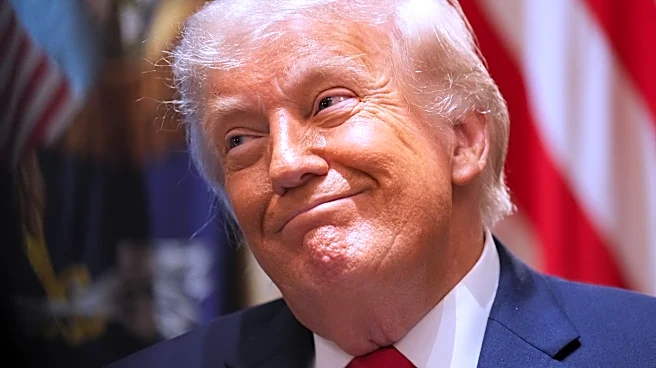
A U.S. judge has allowed President Donald Trump to proceed with an executive order that tightens rules on mail-in voting, despite opposition from the Democratic Party. The order, signed on March 31, mandates the creation of a list of confirmed U.S. citizens
eligible to vote in each state, using federal data to assist state election officials in verifying voter eligibility. Additionally, it requires the U.S. Postal Service to deliver ballots only to voters on each state's approved mail-in ballot list and mandates states to preserve election-related records for five years. Democrats, including Senate Minority Leader Chuck Schumer, argued that the order infringes on states' rights to regulate elections and could disenfranchise millions of voters by relying on potentially outdated federal data. However, the Justice Department contended that the lawsuit was premature as the order has not yet been implemented.
Why It's Important?
This decision is significant as it impacts the ongoing debate over mail-in voting, a contentious issue in U.S. politics, especially following the 2020 election. President Trump has consistently claimed, without evidence, that mail-in voting leads to widespread voter fraud. The executive order could influence voter turnout and election outcomes, particularly in the upcoming midterm elections where Republicans are striving to maintain control of Congress. The ruling also highlights the tension between federal authority and states' rights in managing elections, a fundamental aspect of U.S. democracy. The outcome of this legal battle could set a precedent for future federal involvement in state election processes.
What's Next?
The legal challenges to the executive order are expected to continue, with a similar lawsuit filed by a coalition of Democratic states in federal court in Boston. As the order is implemented, further scrutiny and potential legal actions may arise, especially if errors in the federal data lead to voter disenfranchisement. Political leaders and civil rights groups are likely to monitor the situation closely, advocating for or against the order based on its impact on voter access and election integrity. The ongoing legal and political discourse will shape the future of mail-in voting regulations in the U.S.